Twelve Vegetables, Twelve Water Stories: What Irrigation Really Costs Your Dinner
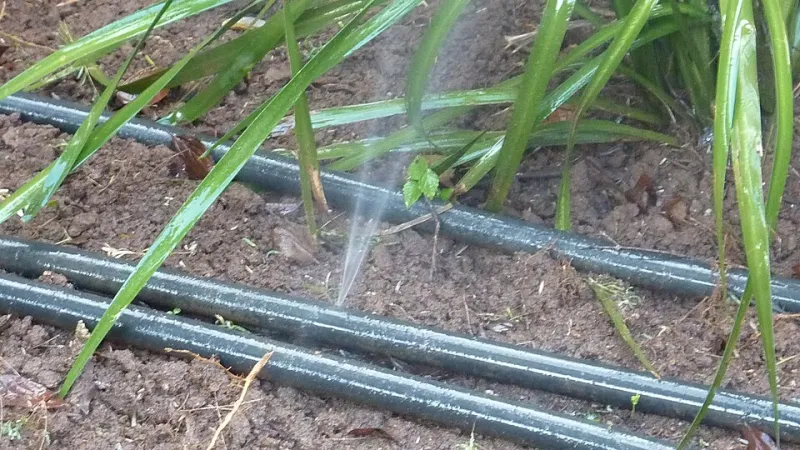
Photo: Sciencehacker, CC BY-SA 4.0, via Wikimedia Commons
Every vegetable in your cart carries a hidden second ingredient, and it never appears on the label. Water. A head of iceberg, a bag of carrots, an ear of sweet corn—each one represents hundreds of gallons pulled from soil, rain, rivers, or aquifers before it ever reached the produce aisle.
The trouble is that the water conversation tends to collapse into a single number, as if vegetables came with a score stamped on the side. They don't. The same crop can be a modest water user in one place and a genuinely heavy one 300 miles away, and the difference usually has less to do with the plant than with the farm, the irrigation rig, and the watershed underneath it.
So treat what follows as a set of orientation points, not a verdict.
A Rough Ranking, Per Pound
The figures below are order-of-magnitude estimates drawn from widely cited water-footprint research and adjusted into gallons per pound. Reasonable analysts disagree on every one of these by 30 percent or more, so read them as a spread, not a scorecard.
- Leafy greens (lettuce, spinach, spring mix) — roughly 12 to 18 gallons per pound
- Carrots — roughly 15 to 20
- Tomatoes — roughly 20 to 25
- Cabbage — roughly 22 to 27
- Cucumbers — roughly 25 to 30
- Onions — roughly 27 to 32
- Potatoes — roughly 30 to 36
- Broccoli — roughly 32 to 38
- Green beans — roughly 38 to 45
- Winter squash — roughly 40 to 46
- Sweet corn — roughly 48 to 60
- Asparagus — estimates so scattered that any single number deserves skepticism, but generally on the high end per pound
A few patterns jump out. Leafy greens look efficient per pound, but they're mostly water by weight and deliver very few calories, so per calorie they're among the thirstiest things in the store. Potatoes and sweet corn, meanwhile, look heavy per pound but are dense and calorie-rich, which flips the math. If your concern is water per unit of nutrition, the ranking reshuffles in ways that surprise almost everyone.
Why the Same Carrot Tells Two Different Stories
Ask a grower in Washington's Skagit Valley about carrots and you'll hear about rain. Ask one in California's Imperial Valley and you'll hear about the Colorado River. Same vegetable, radically different water source—and that distinction matters more than the per-pound figure.
Irrigated water drawn from a stressed aquifer is not the same as water that would have fallen as rain anyway. Parts of the High Plains have been mining the Ogallala aquifer faster than it recharges for decades. Growers in those regions are making real, difficult choices about what to plant. A shopper comparing two carrots by gallon count alone is missing the part of the story that actually has consequences.
The Rig Matters as Much as the Crop
How water gets to the root zone is where farms diverge most.
Furrow irrigation runs water down channels between rows. It's cheap and simple, and it's also where a lot of water evaporates or drains past the roots. Center-pivot sprinklers dominate larger row-crop operations—efficient in the aggregate, but they wet the whole canopy, including the leaves that don't need it. Drip tape delivers water directly to the root zone in small, steady doses, and on many vegetable crops it can cut total use by 30 to 50 percent compared with furrow.
Then there's timing. A grower with soil moisture sensors and a decent weather forecast can skip an irrigation cycle that a neighbor without them will run out of habit. That single decision can matter more than the crop choice itself.
Small farms increasingly lean on drip and on mulch that holds moisture in the bed. It's not universal—drip tape costs money upfront and takes labor to lay and retrieve—but it's one of the most reliable water savings available in vegetable production.
What You Can Actually Do With This
Not much of a shopping strategy, honestly. Ranking vegetables by water footprint and eating only the winners would push people toward a narrower, less nutritious diet, and it would punish growers in dry regions who are already doing the hard work of adapting.
What does help:
Buy what's in season near you when you can. A tomato grown an hour away in July usually carries less total irrigation burden than one shipped cross-country in January—not always, but often.
Ask growers how they water. It is a completely normal question at a farmers market. Most growers light up when someone asks about drip tape. The answer tells you more than any label.
Waste less. Somewhere between a third and 40 percent of the food produced in the US gets thrown away. Every wilted bunch of parsley in the crisper drawer is water that was spent for nothing. Reducing waste is the single highest-leverage move available to a household.
Support the transition. Farms that invest in sensors, drip systems, and soil health are spending real money to use less water. Buying from them is a vote for that direction.
The Number Is Not the Point
The water footprint of a vegetable is a useful conversation starter and a terrible moral scorecard. It flattens regional hydrology, irrigation technology, soil type, and rainfall into a single figure that looks precise and isn't.
What's worth carrying out of the store is the general shape: leafy greens are light per pound but heavy per calorie, root crops and squash sit in the middle, and the biggest variable of all is the farm's water source and irrigation practice. That's not a number you can memorize. It's a question you can ask—and asking it is the whole point.