Before Your Alarm Goes Off: 24 Hours Inside the Produce Delivery Chain
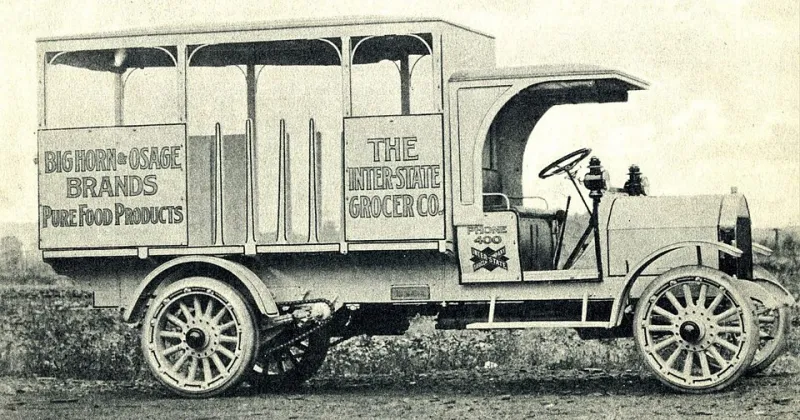
Photo: Harwood-Barley Manufacturing Company, Public domain, via Wikimedia Commons
The alarm on the farm goes off at 4:15 a.m. Nobody hits snooze.
By the time most of America is deep asleep, the vegetables you'll buy tomorrow are already moving. We spent a full day embedded with a regional produce hauler in California's Salinas Valley — the place that grows a huge share of the country's lettuce — to understand what actually happens after harvest. What we found was a choreography so precise that a single warm hour can be the difference between a salad and compost.
4:30 a.m.: The Field Is Colder Than You Think
Harvest crews start in the dark for a reason. Lettuce picked at dawn can be 15 to 20 degrees cooler than the same lettuce cut at noon, and cooler means slower decay. Crews move down the rows with knives and totes, cutting, trimming, and stacking with a speed that looks almost casual until you realize each head is handled for maybe four seconds before it's boxed.
The clock on freshness starts here. Every minute a leafy green sits in the sun adds to a number growers call "field heat" — and field heat is the enemy.
6:00 a.m.: The Vacuum Cooler
This is the step most shoppers have never heard of, and it might be the most important one in the entire chain.
At a packing facility just off the highway, pallets of boxed greens roll into a vacuum cooler — a big steel chamber that drops the air pressure until water inside the leaves flash-evaporates, pulling heat out of the vegetables like sweat off skin. In under 30 minutes, lettuce core temperature falls from 70 degrees to about 36.
"Everything after this is just protecting what we did here," the facility manager told us. "If we miss this window, no truck on earth saves the product."
8:30 a.m.: Loading Under a Watchful Thermometer
The refrigerated trailer backs up to the dock at 8:15. The driver — let's call him Ray, twenty-two years hauling produce — checks the reefer unit before a single box goes in. He's looking at a temp recorder that logs continuously; if the load arrives warm, he owns the problem.
Loading order matters. Berries and greens ride up front, closest to the evaporator. Hard squash goes toward the back. Every pallet is airflow-mapped so cold air can circulate, not just sit. Ray describes it like packing a cooler for a camping trip, "except the camping trip is worth sixty grand."
The Long Middle: Checkpoints Nobody Sees
Between farm and loading dock, the trailer passes through weigh stations and occasionally gets opened for inspection. Each stop is a small risk — every minute with the doors open, the temperature creeps. Ray keeps stops short and logs everything.
Modern trailers also carry real-time telemetry: location, box temperature, door-open events, all streaming to a dashboard somewhere. If a reefer unit hiccups outside Bakersfield, a dispatcher knows before the driver does.
2:00 p.m.: The Grocery Loading Dock
The trailer backs in at a regional distribution center. The receiver scans pallets, sticks a probe thermometer into a random box of romaine, and compares the reading against spec. Thirty-six point four degrees. Pass.
But here's the rub: this handoff is where a lot of freshness dies. Product can sit on a dock, ride a second truck, sit in a store's back room, and finally get shelved. Each transfer adds hours and a chance for a temperature break. Industry folks call these "touch points," and fewer is always better.
Why Farm-Direct Flips the Script
Now count the touch points when you order from a farm delivery program: harvest, pack, your doorstep. That's it. Vegetables picked one morning can be in your kitchen the next, skipping the vacuum cooler's long downstream journey entirely.
That's not just a freshness flex — it changes flavor and shelf life in ways you can taste. A head of lettuce with one day of transit has days of crispness left. The same head that spent five days in the chain might have one.
What You Can Do With This Knowledge
A few takeaways from our day in the cab:
- Shop the cold case first. Grab your greens last, not first, and get them home fast.
- Ask where it came from. Shorter distance generally means fewer touch points.
- Consider a farm delivery or CSA box. It's the closest you can get to riding along with Ray.
- Store like the pros. Cold, humid, and away from ethylene-producing fruit.
The 6 a.m. club doesn't ask for thanks. But knowing what happens before your alarm goes off makes that first crunchy bite taste a little more earned.