Roots and Revolution: How Young Americans Are Trading Grocery Aisles for Farm Connections
Walk into any mid-sized American city on a Saturday morning and you'll notice something interesting. Younger people — backpacks on, reusable totes in hand — are lining up at farm stands and pickup locations for their weekly CSA boxes. They're not there because it's cheap or easy. They're there because something about that direct connection to a farm feels genuinely important to them.
This isn't a niche trend anymore. Community-supported agriculture programs have seen a surge in younger members over the past several years, and the numbers back it up. According to USDA data, direct-to-consumer farm sales have climbed steadily, with CSA subscriptions playing a significant role in that growth. And increasingly, the faces signing up for those subscriptions are under 40.
So what's actually going on here?
The Grocery Store Just Doesn't Cut It Anymore
For a lot of millennials and Gen Z consumers, the conventional supermarket experience has started to feel hollow. You can buy a tomato in January in Minnesota. You can grab bagged salad mix with a shelf life that defies nature. Everything is available, all the time, and somehow that abundance has started to feel like a problem rather than a perk.
"I grew up eating grocery store produce and I didn't think anything of it," says Maya Tran, a 29-year-old in Denver who signed up for her first CSA box two years ago. "But once I started reading about where food comes from — the supply chain, the chemicals, the carbon footprint — I couldn't really go back to just grabbing whatever was on sale."
That kind of awakening is common among younger consumers. Environmental consciousness isn't just a background value for this generation — it's often a primary driver of purchasing decisions. A 2023 survey from the Food Marketing Institute found that Gen Z shoppers were significantly more likely than older cohorts to say that a product's environmental impact influenced their buying choices. Produce is no exception.
Social Media and the Farm Aesthetic
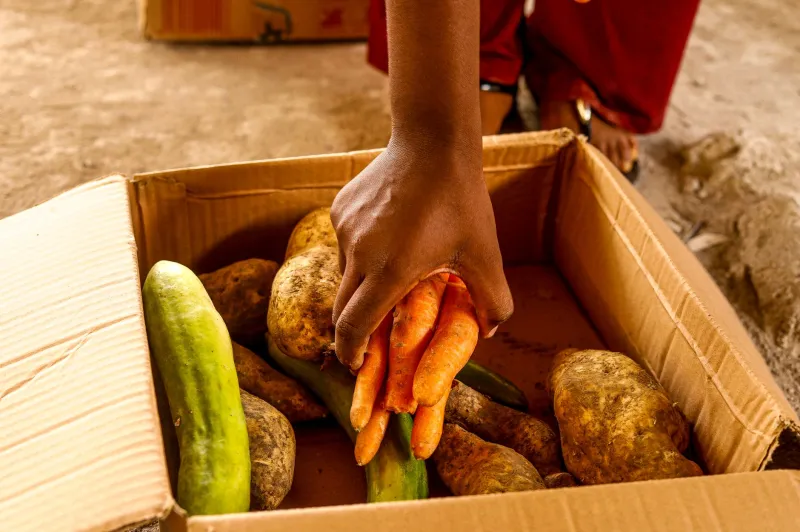
Let's be honest: Instagram and TikTok have played a real role here. There's something visually compelling about a wooden crate filled with rainbow carrots, muddy turnips, and a handwritten note from a farmer. That aesthetic has spread widely across social platforms, and it's introduced a lot of younger people to the idea of CSA boxes who might never have heard of them otherwise.
But it's more than aesthetics. Farm-focused creators on TikTok and YouTube have built massive followings by documenting the realities of small-scale agriculture — the early mornings, the crop failures, the genuine satisfaction of a good harvest. Young viewers aren't just watching for entertainment. They're forming emotional connections with farms and farmers they've never met in person.
Jordan Ellis, a 33-year-old farmer running a 40-acre vegetable operation outside Asheville, North Carolina, started posting short videos about his growing season almost as an afterthought. "I figured maybe my regulars would watch," he says. "Now I've got people driving from Charlotte to pick up a box because they feel like they already know the farm." His CSA waitlist has tripled in three years.
The Trust Factor
There's something else underneath all of this, and it's worth naming directly: younger consumers often don't trust large food corporations the way previous generations did. Food recalls, misleading labeling, and a general skepticism toward big business have pushed a lot of people toward smaller, more transparent supply chains.
A CSA box represents the opposite of that opacity. You know which farm grew your kale. You can email the farmer. You can visit on a field day. That traceability matters deeply to people who've grown up watching news cycle after news cycle about contaminated produce and misleading health claims.
"I know exactly where my food comes from," says Darius Washington, a 26-year-old CSA member in Atlanta. "That's not something I can say about anything else in my life, really. It's kind of a weird comfort."
Not Without Its Challenges
It would be dishonest to pretend CSA subscriptions are a perfect solution. They're not always affordable — a weekly box can run $25 to $50 or more depending on the farm and region, which puts them out of reach for plenty of younger consumers who are already stretched thin financially. The "eat what you get" model can also be a genuine adjustment for people who've never cooked with kohlrabi or celeriac.
Farms are increasingly aware of these barriers. Some offer sliding-scale pricing or work-share arrangements where members can trade a few hours of farm labor for a reduced subscription cost. Others partner with community organizations to bring CSA access to lower-income neighborhoods. It's not a fully solved problem, but the effort is real.
What This Shift Means for Farms
For small and mid-sized vegetable farms, the influx of younger CSA members is genuinely meaningful. CSA subscriptions provide upfront cash before the season even begins, which helps farmers manage the financial uncertainty that comes with agriculture. A stable, committed membership base is one of the most valuable things a farm can have.
More than that, younger members tend to be engaged. They ask questions. They show up to farm events. They share their boxes on social media, which brings in new members. They're not just customers — they're something closer to community.
That sense of mutual investment might be the most important thing driving this whole trend. Younger Americans aren't just looking for better vegetables. They're looking for something that feels real, accountable, and connected to the actual world. A CSA box, at its best, delivers all of that — along with a bunch of genuinely excellent produce.
At TSL Vegetables, we've seen firsthand how these direct farm relationships transform the way people think about food. And honestly? We think that's worth celebrating.