Seeds of Survival: The American Farmers Racing to Rescue Forgotten Vegetables
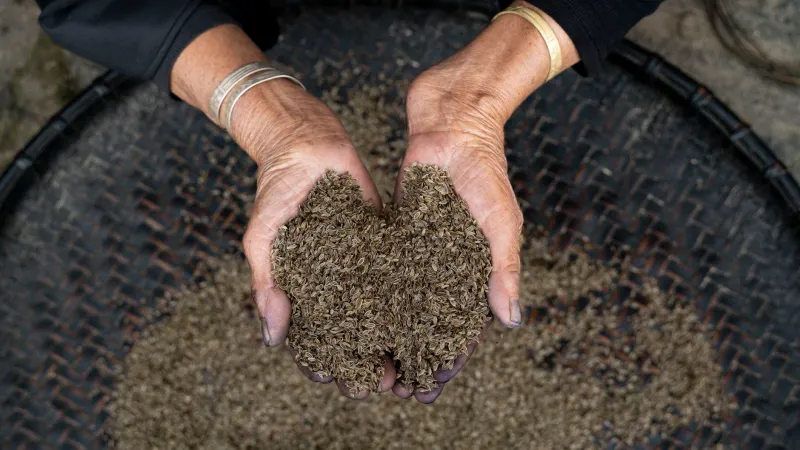
Somewhere in a climate-controlled vault in Tucson, Arizona, there are seeds for a tomato variety that hasn't been commercially sold since the 1940s. Next to it, envelopes hold the genetic blueprint for a squash that Indigenous communities in the Southwest cultivated for centuries before it quietly vanished from most farmland. These aren't museum pieces. They're living insurance policies — and the people tending them are increasingly convinced that the future of American food depends on keeping them alive.
The movement to preserve heirloom and rare vegetable varieties has been building for decades, but it's picking up real momentum now. A growing network of small-scale growers, nonprofit seed banks, and dedicated backyard farmers are working together to pull threatened vegetables back from the brink. And the reasons they're doing it go way beyond nostalgia.
What We Lost — and Why It Happened
At the turn of the 20th century, American farmers were growing thousands of distinct vegetable varieties. By the time industrial agriculture hit its stride in the mid-1900s, that number had collapsed. A 1983 study by the Rural Advancement Foundation International found that roughly 93% of vegetable varieties available in 1903 had gone extinct by the 1980s. The culprit wasn't malice — it was efficiency. Large-scale farming favored varieties that shipped well, ripened uniformly, and yielded predictably. Flavor, resilience, and genetic uniqueness were secondary concerns.
The result is the produce aisle most of us grew up with: a narrow selection of varieties engineered for the supply chain rather than the table or the ecosystem.
The Seed Savers Filling the Gap
Organizations like the Seed Savers Exchange, based in Decorah, Iowa, have been quietly doing the hard work of preservation since 1975. Their Heritage Farm maintains a living collection of more than 20,000 rare vegetable varieties, grown out each season to keep the seeds viable. Founder Diane Ott Whealy started the organization after receiving seeds for two heirloom vegetables that had been in her family for generations — and realizing how easily they could disappear.
Today, Seed Savers connects thousands of member gardeners and farmers across the country who grow, save, and trade seeds annually. It's a distributed model of conservation — instead of one central repository holding everything, the genetics are spread across hundreds of plots and climates.
On the West Coast, organizations like Native Seeds/SEARCH in Arizona focus specifically on crop varieties developed by Indigenous communities of the greater Southwest. These plants were bred over centuries to thrive in arid, high-stress conditions — traits that are becoming increasingly valuable as climate patterns shift across American farmland.
Farmers on the Front Lines
Individual growers are often the most passionate advocates for this work. Take Glenn Drowns of Sand Hill Preservation Center in Calamus, Iowa, who maintains one of the largest private collections of rare vegetable and poultry genetics in the country. His catalog reads like an agricultural time capsule — dozens of squash varieties, obscure pole beans, pepper types that haven't appeared in mainstream seed catalogs for generations.
"People think this is about being old-fashioned," Drowns has said in interviews. "It's not. It's about having options. If a disease wipes out the one tomato variety everyone's growing, what's your backup?"
That question isn't hypothetical. The Irish Potato Famine is the most famous example of what happens when agriculture narrows its genetic base too aggressively. Modern examples are closer than you'd think — the Cavendish banana, which now dominates global markets, is under serious threat from a fungal disease because of its genetic uniformity.
Vegetable biodiversity is a hedge against exactly that kind of catastrophe.
Why Biodiversity Is a Food Security Issue
Here's the practical argument, stripped down: the more genetic diversity exists in our food crops, the more tools farmers and plant breeders have to respond to new pests, diseases, and climate conditions. A rare tomato variety that developed natural resistance to a particular blight carries genes that could be invaluable to future breeding programs. Once that variety is gone, those genes are gone with it.
The USDA's National Plant Germplasm System maintains federal seed banks, but government collections can't do this work alone. They rely on active, living cultivation — seeds need to be grown out regularly to stay viable and to adapt to changing conditions. That's where small farms and community seed networks become essential infrastructure, not just charming side projects.
What You Can Do About It
This is where consumers have more power than they might expect. Purchasing heirloom and specialty vegetables — whether at a farmers market, through a CSA subscription, or from marketplaces like TSL Vegetables — creates direct economic demand for the farmers growing them. When a grower can sell their Mortgage Lifter tomatoes or Dragon Tongue beans at a fair price, they have a financial reason to keep cultivating those varieties.
A few concrete ways to support the movement:
- Buy from farms that name their varieties. If a vendor at your local market or on a produce platform can tell you exactly what type of pepper or squash you're buying, that's a sign they're engaged with seed stewardship.
- Support seed libraries and exchanges. Many public libraries now maintain seed libraries. Organizations like Seed Savers Exchange offer memberships that fund their preservation work directly.
- Ask questions. Farmers love talking about their seeds. Asking "what variety is this?" at a market signals that customers care — and that signal matters.
- Grow something weird. Even a patio container with an unusual bean variety helps keep those genetics in active cultivation.
The Flavor Bonus
Here's a happy side effect of all this conservation work: many heirloom varieties simply taste better. They were selected over generations for flavor, texture, and culinary performance rather than shelf life and shipping durability. The Cherokee Purple tomato, the Lemon Drop pepper, the Dragon Tongue bean — these are vegetables with personality. Eating them isn't just an act of agricultural citizenship. It's genuinely a better experience at the table.
The farmers preserving these varieties aren't just saving history. They're protecting the future of what American food can be — and they need eaters who care enough to show up. That's a pretty manageable ask.