Skipping the Middleman: How Farm Subscriptions Are Reshaping the Way Americans Buy Vegetables
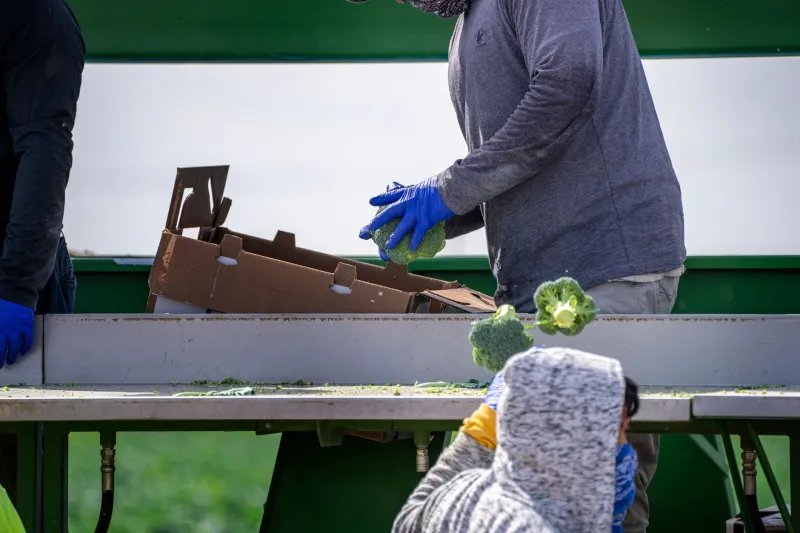
Somewhere between the moment a carrot gets pulled from the ground and the moment it lands in your grocery cart, a lot of hands touch it. A regional distributor picks it up. A warehouse sorts and stores it. A trucking company hauls it across state lines. A retail buyer inspects it. By the time that carrot reaches you, it might be a week or two old — and a significant chunk of the price you paid went to everyone except the person who actually grew it.
That system, which has defined American produce retail for decades, is finally getting some serious competition.
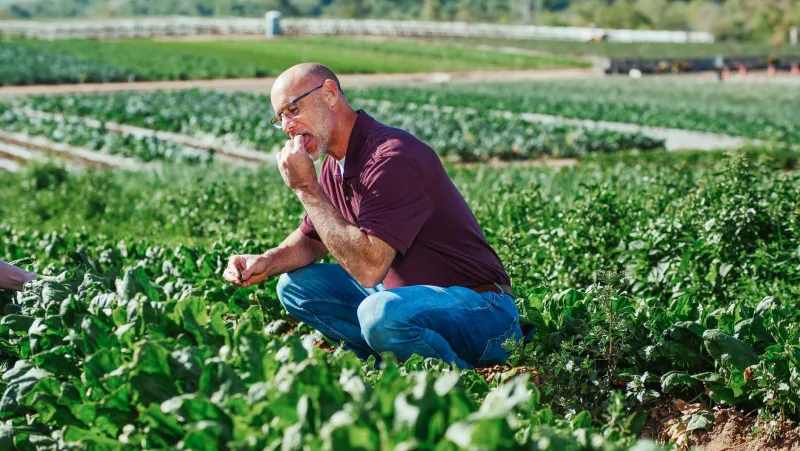
Across the country, a growing number of farms are ditching traditional distribution entirely and selling directly to the people who eat their food. Through community-supported agriculture programs (CSAs), weekly subscription boxes, and direct-delivery platforms, these growers are collapsing the supply chain down to its most essential form: farmer to table. And both sides of that transaction are starting to notice the difference.
What "Direct-to-Consumer" Actually Means
The term gets thrown around a lot, but direct-to-consumer farming isn't one single thing. It's a spectrum of models, each with its own structure and trade-offs.
The most traditional version is the CSA, which dates back to the 1980s in the US. The basic idea: customers pay upfront — usually at the start of a growing season — and in return receive a weekly or biweekly box of whatever the farm is harvesting. It's a shared-risk model. Good season? You get an abundance. Drought or pest pressure? Your box might be lighter. That unpredictability used to be a hard sell, but a generation of food-conscious consumers has increasingly embraced it as part of the deal.
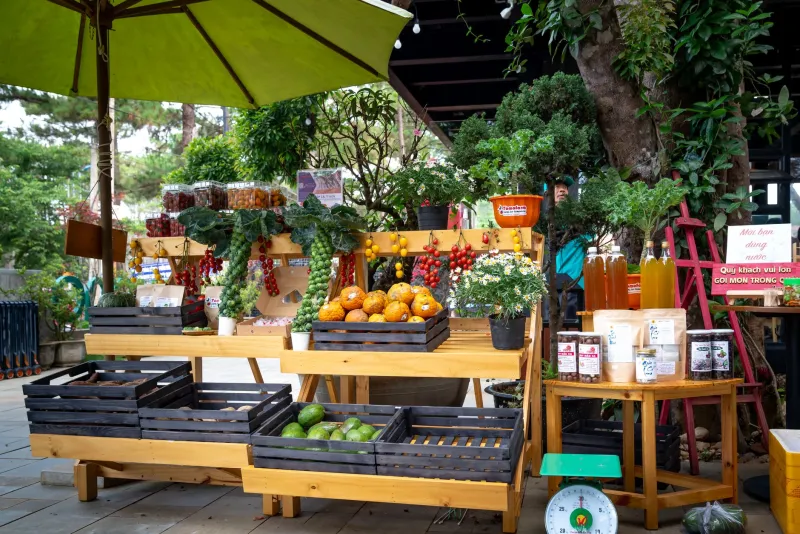
More recently, farms have layered technology on top of that model. Customizable subscription platforms let members swap out vegetables they don't like, add on eggs or herbs, or pause their deliveries during vacation. Some farms use their own apps. Others plug into third-party platforms that handle logistics and payment processing. A few have built hybrid models that combine a subscription base with an online farm store, letting non-members shop à la carte.
The throughline in all of it: no distributor, no regional warehouse, no retail markup.
The Farms Making It Work
Riverdog Farm in Guinda, California has been running one of the state's most respected CSA programs for over 25 years. What started as a small community offering has grown into a multi-tiered subscription operation serving thousands of households across the Bay Area and Sacramento. Their model is notable for its transparency — members receive a weekly newsletter explaining exactly what's in the box, why certain crops succeeded or struggled, and what's coming up in the next harvest cycle. That kind of communication builds loyalty that no grocery store loyalty card can replicate.
On the opposite coast, Assawaga Farm in Putnam, Connecticut operates a CSA that leans heavily into the community aspect of the model. Members don't just receive boxes — they're invited to farm workdays, harvest events, and educational workshops. The farm has found that deeper engagement translates into stronger member retention and more word-of-mouth growth than any paid marketing.
Out in Colorado, Grant Family Farms took a different approach, scaling their direct-to-consumer model to reach customers across the Front Range through a network of pickup locations and home delivery routes. By treating logistics as a core competency rather than an afterthought, they've managed to make the economics work at a scale that many smaller operations struggle to reach.
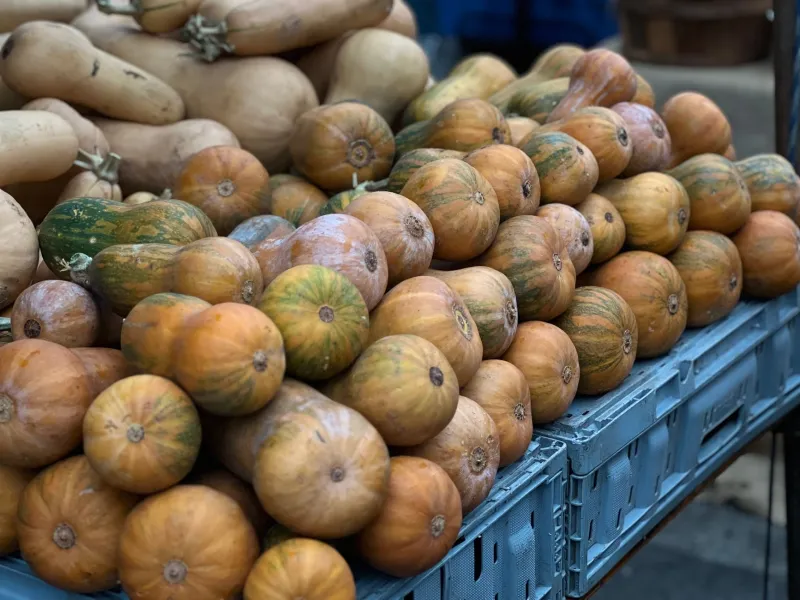
And in Georgia, Crystal Organic Farm has built a devoted following by focusing almost entirely on heirloom and specialty varieties — the kind of produce that rarely makes it to supermarket shelves because it doesn't ship or store well by conventional standards. Their weekly boxes are essentially a rotating showcase of vegetables you simply cannot find anywhere else. That exclusivity has become their biggest selling point.
The Economics: Who Actually Benefits?
For farmers, the math on direct-to-consumer can be compelling — but it's not automatically a windfall.
On the upside, selling direct means capturing a much larger share of the final price. A farmer selling wholesale to a distributor might receive 20 to 30 cents on every dollar a consumer ultimately pays. Selling direct, that same farmer might keep 70 cents or more. Upfront CSA payments also provide working capital at the start of the season, when cash flow is typically tightest.
On the downside, direct sales come with real overhead. Someone has to manage the website, pack the boxes, handle customer service, coordinate delivery logistics, and respond to the inevitable "I got too much kale this week" emails. Many small farms find that the administrative burden of running a direct-to-consumer operation is substantial — and if they're not careful, those costs can eat into the margin gains.
For consumers, the picture is similarly nuanced. A weekly CSA share can be genuinely cost-competitive with buying equivalent produce at a farmers market or specialty grocery store — especially for households that cook frequently and can work through a full box each week. The freshness factor is real, too. Vegetables harvested Tuesday and delivered Thursday are in a different category than produce that's been sitting in a distribution center since last weekend.
The honest trade-off is flexibility. A grocery store lets you buy exactly what you want, when you want it. A CSA asks you to cook around what the farm is growing. For some households, that's an exciting creative constraint. For others, it's a genuine friction point — and farms that ignore that reality tend to see high member turnover.
The Environmental Angle
Shorter supply chains tend to mean lower transportation emissions, less refrigeration time, and reduced packaging waste. Those are real environmental benefits, though they vary significantly depending on how far a farm's delivery radius extends and what kind of vehicles they're using.
Perhaps more meaningfully, direct relationships between farmers and consumers tend to support more sustainable growing practices over time. When a grower knows their customers personally — or at least communicates with them weekly — there's a natural accountability that doesn't exist in anonymous wholesale markets. Farmers who grow for CSA members often report being more willing to invest in soil health, cover cropping, and reduced chemical inputs because they know their customers care and are paying attention.
Is a Farm Subscription Right for You?
If you cook regularly, value freshness, and are curious about eating more seasonally, a local CSA or farm subscription is worth exploring. Most farms offer trial periods or partial shares for smaller households, and the variety you encounter — kohlrabi one week, shishito peppers the next — has a way of expanding your cooking repertoire in genuinely fun directions.
If you need maximum flexibility or cook less predictably, a hybrid model (farm subscription plus the ability to shop à la carte) might be a better fit than a traditional CSA commitment.
Either way, the farms making this model work aren't just selling vegetables. They're selling a relationship with where your food comes from — and in an era when that feels increasingly rare, that's worth something.