Eat What's Growing Right Now: Your Month-by-Month Seasonal Produce Playbook
Let's be real — most of us grab whatever looks good at the store without thinking much about whether it's actually in season. And that's fine! But here's the thing: when you start paying attention to what's growing locally and regionally each month, something shifts. Your food tastes better, your grocery bill drops, and the vegetables you bring home actually last the week. That's the whole idea behind seasonal eating, and it's a lot more approachable than it sounds.
This guide is your practical, no-fuss resource for knowing what to buy, when to buy it, and how to make the most of it — no matter where you live in the US.
Why Seasonal Eating Actually Makes a Difference
Before we get into the month-by-month breakdown, it's worth understanding the "why" behind all of this. Vegetables grown and sold in season are harvested at or near peak ripeness, which means they're more flavorful, more nutritious, and typically cheaper because supply is high. Out-of-season produce, on the other hand, often travels thousands of miles from warmer climates or is grown in energy-intensive greenhouses — and that cost gets passed to you at the checkout.
Eating seasonally also keeps money circulating within your local agricultural community. When you buy what's growing nearby right now, you're directly supporting the farmers who are doing the work to keep regional food systems healthy.
With that in mind, here's your month-by-month roadmap. Keep in mind that seasonal windows shift depending on your region — a Florida gardener and a Minnesota gardener are working with very different calendars — so use this as a general guide and check in with your local farmers market vendors for hyper-local specifics.
January & February: Root Vegetables and Storage Crops
Winter is root vegetable season across most of the country. Carrots, parsnips, turnips, beets, and sweet potatoes are all at their best right now — and they're incredibly budget-friendly. These crops store well in cool, dry conditions, so stock up when you find a good deal.
Storage tip: Keep root vegetables in a cool, dark spot (a basement or garage works great) rather than the fridge. They'll last weeks.
Quick meal idea: Roast a big sheet pan of mixed root vegetables with olive oil, garlic, and fresh thyme. It takes 30 minutes and works as a side dish all week.
In the South and California, you'll also start seeing citrusy winter greens like kale, collards, and Swiss chard hitting their stride.
March & April: Spring Awakening
This is when things start getting exciting. Asparagus is the star of spring — it has one of the shortest peak windows of any vegetable, so grab it when you see it and eat it fast. Peas, radishes, and spring onions also make their appearance, along with the first tender lettuces of the year.
Storage tip: Treat fresh asparagus like flowers — trim the ends and stand them upright in a glass of water in the fridge. They'll stay crisp for up to five days.
Budget note: Asparagus prices drop significantly in April and May as domestic production ramps up. That's your window.
May & June: The Abundance Begins
If you love variety, late spring is your season. Snap peas, spinach, arugula, broccoli, cauliflower, and the very first summer squash all show up within a few weeks of each other. Strawberries (technically a fruit, but we'll allow it) are also at their absolute peak.
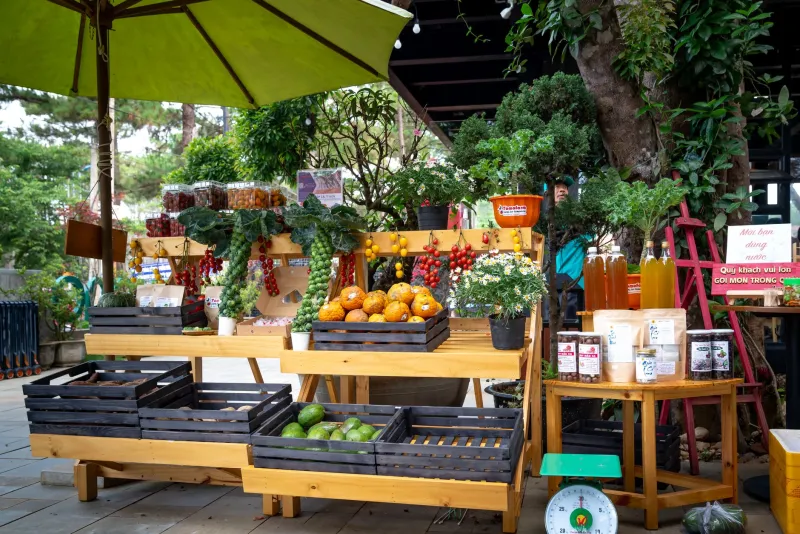
This is also when farmers markets really come alive across the country. If you haven't been to yours yet this year, May is a great time to start.
Storage tip: Leafy greens like spinach and arugula do best wrapped loosely in a damp paper towel inside a container in the fridge. Avoid washing them until you're ready to use them.
July & August: Peak Summer Harvest
Summer is the jackpot. Tomatoes, corn, cucumbers, bell peppers, eggplant, green beans, and summer squash are all going strong — and prices reflect the abundance. This is the time to buy in bulk, eat fresh, and if you're feeling ambitious, preserve some of the bounty for winter.
Budget tip: Pick up a flat of tomatoes from a local farm stand in August and make a big batch of sauce for the freezer. You'll thank yourself in December.
Storage tip: Never refrigerate tomatoes. Seriously. Cold temperatures kill their flavor and turn the texture mealy. Keep them on the counter and eat them within a week.
September & October: Fall's Rich Palette
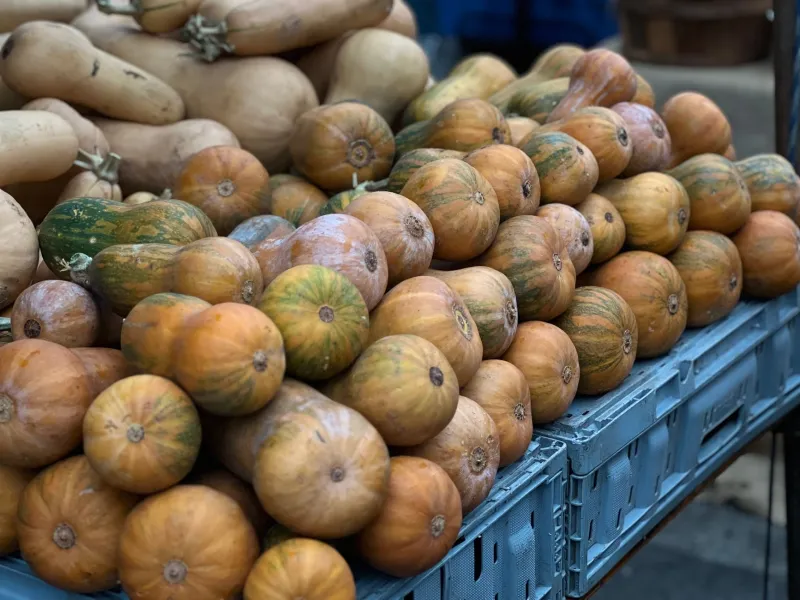
As temperatures drop, the produce shifts toward heartier fare. Winter squash (butternut, acorn, delicata), sweet potatoes, Brussels sprouts, and late-season peppers dominate the market tables. Apples and pears are also at peak, which pairs beautifully with roasted fall vegetables.
This is arguably the most underrated produce season of the year. The flavors are deep and warming, and everything feels made for the kitchen.
Storage tip: Winter squash can last two to three months at room temperature if kept in a cool, dry spot. Don't refrigerate them whole.
November & December: Lean and Intentional
As the year wraps up, the fresh produce selection narrows — but that's not a bad thing. It's a good time to lean into stored crops, hearty greens like kale and cabbage, and root vegetables. In warmer states, late crops of broccoli and cauliflower are still coming in strong.
This is also the season to explore your farmers market's value bins — slightly imperfect vegetables that are perfect for soups, stews, and roasting at a fraction of the usual price.
The Bigger Picture
Seasonal eating isn't about being restrictive — it's about being intentional. When you know what's at its peak, you shop smarter, waste less, and end up with better food on your table. It also creates a natural rhythm with the people growing your food, which is something we think is worth cultivating.
At TSL Vegetables, we're all about connecting you with what's fresh, what's local, and what's worth your time and money. Start with one month, one vegetable, and go from there. The seasons will do the rest.