Beyond Broccoli: 13 Heirloom and Specialty Vegetables That Deserve a Spot in Your Kitchen
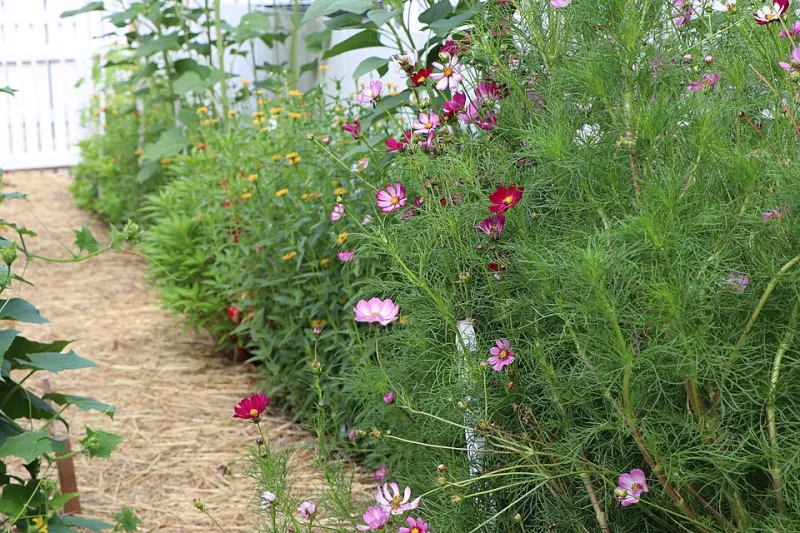
Photo: NPS, Public domain, via Wikimedia Commons
For most of American culinary history, the vegetable drawer was a pretty predictable place. Carrots, celery, maybe some zucchini in summer. But something has been shifting over the past decade — driven by adventurous home cooks, a growing interest in food heritage, and farmers who are passionate about preserving varieties that nearly disappeared from the market entirely.
Heirloom and specialty vegetables aren't just a restaurant trend anymore. They're showing up in CSA boxes, at farmers markets, and increasingly through online produce platforms. And for good reason: many of these varieties have been selected over generations for flavor, not shelf life or uniformity. They look different, taste more complex, and often carry stories that connect us to agricultural traditions stretching back centuries.
Here are 13 worth getting to know.
1. Chioggia Beet
Slice one of these open and you'll understand why they're also called candy cane beets — concentric rings of deep red and pale pink, almost too pretty to cook. Originally from the Italian town of Chioggia, these beets are milder and less earthy than standard red varieties, which makes them appealing to people who've always found beets a bit too aggressive. Eat them raw in salads, roasted, or quick-pickled. Farmers in the Pacific Northwest and Northeast have been growing them for years, and they're increasingly available through specialty produce markets.
2. Sunchoke (Jerusalem Artichoke)
Despite the name, sunchokes have nothing to do with Jerusalem and aren't related to artichokes. They're the tuber of a native North American sunflower species, and they taste like a cross between a water chestnut and a potato with a faint, nutty sweetness. Roast them until caramelized, slice them thin for a raw salad, or purée them into a silky soup. Fair warning: they contain inulin, a prebiotic fiber that can cause digestive excitement in some people. Start small.
3. Shishito Pepper
If you've been to a gastropub in the last five years, you've probably seen shishito peppers on the menu — blistered in a cast iron pan, finished with sea salt and maybe a squeeze of lemon. They're mostly mild, but one in every ten or so carries a genuine kick, which makes eating them weirdly fun. Easy to grow in home gardens across most of the US, and increasingly available at farmers markets from late summer through early fall.
4. Romanesco
Romanesco is the vegetable that makes people stop and stare. Its lime-green spiraling fractal heads look like they were designed by a mathematician, and they taste like a more delicate, nuttier version of cauliflower. It roasts beautifully, holds up well in pasta dishes, and makes a striking crudité platter centerpiece. Grown across California and the upper Midwest, it's a cool-weather crop that peaks in fall.
5. Delicata Squash
Delicata deserves far more attention than it gets. Unlike butternut or acorn squash, the skin is thin enough to eat — which means no wrestling with a peeler. The flesh is sweet and creamy, and when roasted, the cut edges caramelize into something almost candy-like. It stores well, cooks fast, and pairs beautifully with sage, brown butter, and sharp cheese. A genuinely underrated fall staple.
6. Watermelon Radish
From the outside, watermelon radishes look like any other round radish — pale green skin, unremarkable. Cut one in half and the interior is a vivid magenta-to-white gradient that genuinely earns the name. They're milder than standard radishes, with a subtle peppery bite, and they add serious visual drama to slaws, grain bowls, and tacos. Available year-round from specialty growers, with peak quality in fall and spring.
7. Scarlet Runner Bean
Scarlet runner beans are one of those vegetables that are beautiful at every stage — the flowers attract hummingbirds, the pods are a deep purple-green, and the dried beans are a stunning speckled black and purple. They taste richer and meatier than standard green beans, with a texture closer to a shelling bean when mature. Use them fresh in summer, or dry and store them for hearty winter stews. They're easy to grow in most US climates and a genuine conversation starter in the garden.
8. Celeriac (Celery Root)
Celeriac is the ugly duckling of the vegetable world — a gnarly, mud-covered lump that intimidates people at the market. Peel it, though, and you've got a versatile root with the flavor of celery but the texture of a potato. It makes an extraordinary mash (try it half-and-half with potato), a classic French remoulade when raw and shredded, and a deeply savory addition to soups and braises. Common in European cooking, it's slowly finding its audience in American kitchens.
9. Purple Sprouting Broccoli
This isn't the standard broccoli crown you're used to. Purple sprouting broccoli produces loose, slender spears with small florets and a more intense, slightly bitter flavor than conventional varieties. It's a cold-hardy crop that often bridges the late winter to early spring gap when fresh local vegetables are scarce — which makes it valuable beyond just its taste. Blanch it quickly and dress it with olive oil and garlic, or throw it on a sheet pan with some lemon and parmesan.
10. Ground Cherries
Ground cherries look like small tomatillos in papery husks, but they taste like a tropical fruit crossed with a vanilla custard. Seriously. They're naturally sweet, slightly acidic, and utterly unlike anything else in the vegetable world — though botanically, they're more of a fruit. Eat them fresh, make them into jam, or use them in salsa for something genuinely unexpected. They're easy to grow in home gardens and starting to appear at farmers markets across the Midwest and South.
11. Kohlrabi
Kohlrabi looks like something from a science fiction film — a pale green or purple orb with stalks shooting out in all directions. The flavor is mild and slightly sweet, somewhere between a broccoli stem and a water chestnut. Eat it raw in slaws and salads, roast it with olive oil and herbs, or cut it into sticks for dipping. It's a cool-season crop that thrives in spring and fall gardens and is surprisingly easy to grow even in small spaces.
12. Hakurei Turnip
If you've written off turnips as bitter and unpleasant, Hakurei will change your mind. These Japanese salad turnips are small, round, and creamy white, with a mild sweetness and almost none of the pungency of standard turnip varieties. Eat them raw with a sprinkle of salt, sauté them quickly in butter, or pickle them with a splash of rice vinegar. The greens are excellent too — don't throw them away. Available from late spring and again in fall from farms across the country.
13. Dragon Tongue Bean
Yellow with vivid purple streaks, dragon tongue beans are one of those vegetables that feel almost too decorative to eat. They're a Dutch heirloom variety that can be eaten fresh as a snap bean or left to mature as a shelling bean. The flavor is buttery and mild, and they cook beautifully with just a quick blanch and a finishing of good olive oil. Note: the purple streaks fade with cooking, so if you want the full visual effect, eat them raw or just barely warmed.
Where to Find These Vegetables
Most of these varieties won't be at your average supermarket — and that's actually part of their appeal. Farmers markets are your best starting point, especially in spring and fall when specialty growers tend to bring out their most interesting inventory. CSA subscriptions from farms that prioritize variety and heritage breeds are another reliable source; many growers include notes about what's in the box and how to use it.
Online produce platforms like TSL Vegetables are increasingly bridging the gap, connecting home cooks with small farms that grow exactly these kinds of specialty varieties — the ones that would never survive the conventional supply chain but thrive when sold directly to people who actually want them.
The vegetable drawer doesn't have to be boring. It just takes a little curiosity.