Dirt, Distance, and Flavor: The Real Science Behind Why Farm-Fresh Vegetables Just Taste Better
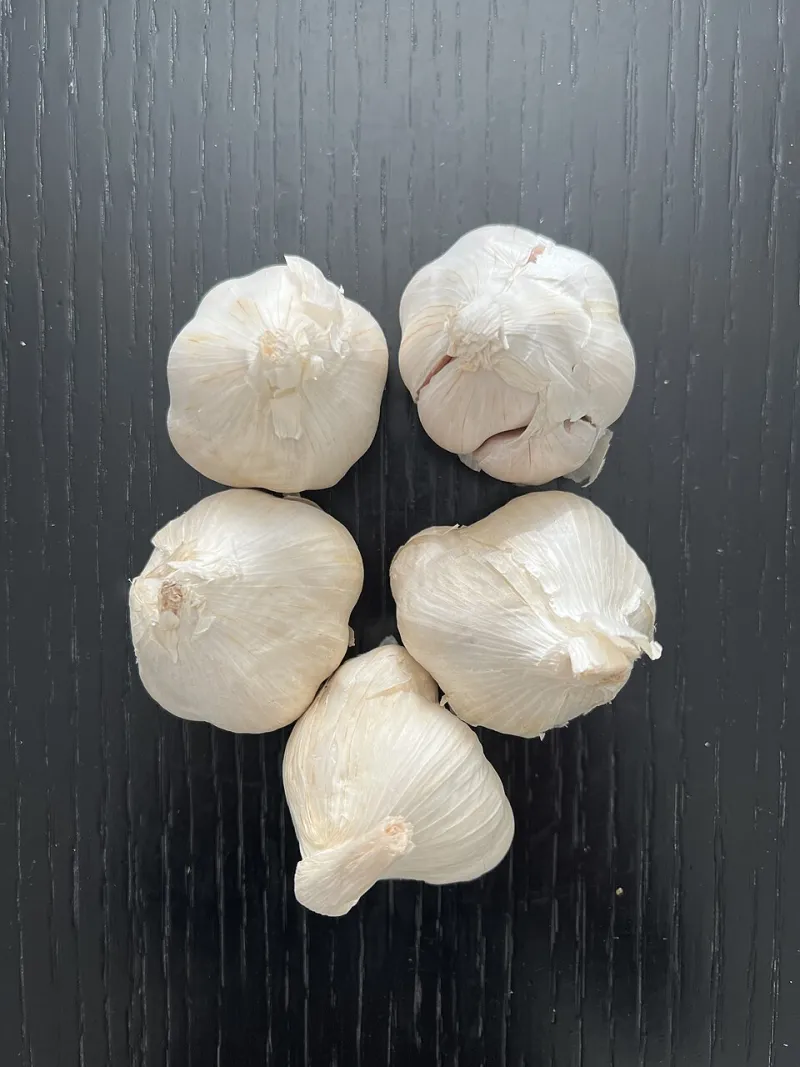
Photo: HaJunkiyada, CC BY-SA 4.0, via Wikimedia Commons
There's a moment most of us have experienced — you bite into a tomato from the farmers market, and it's like a completely different food than the pale, watery slice you got from the grocery store last week. You might chalk it up to nostalgia or a good mood. But food scientists will tell you: it's not in your head. The flavor difference is real, and it starts long before the vegetable ever reaches your plate.
At TSL Vegetables, we're obsessed with that gap — the distance between a vegetable that just exists and one that genuinely tastes like something. So we went deep on the science, talked to the people who study soil for a living, and ran our own informal taste comparisons. Here's what we found.
It All Starts Underground
Soil isn't just dirt. It's a living ecosystem — one that directly feeds the plants growing in it. Healthy agricultural soil contains billions of microorganisms per teaspoon: bacteria, fungi, nematodes, and protozoa all working together to break down organic matter and make nutrients available to plant roots.
Dr. Amanda Rhoades, a soil scientist who consults with small-scale farms across the Midwest, puts it plainly: "When we talk about flavor in vegetables, we're really talking about the mineral and nutrient density of the plant. And that density is almost entirely determined by what's happening in the soil below it."
Conventional large-scale agriculture often relies on synthetic fertilizers that deliver nitrogen, phosphorus, and potassium — the big three — but skip the trace minerals and complex organic compounds that contribute to deep, nuanced flavor. Farms that use cover cropping, composting, and reduced tillage tend to build richer soil profiles over time. The vegetables that grow in that soil reflect it.
That's not a marketing claim. A 2004 study published in the Journal of the American College of Nutrition compared nutrient data from 1950 to 1999 and found measurable declines in protein, calcium, phosphorus, iron, and vitamins B2 and C in conventionally grown produce. The likely culprit? Soil depletion from intensive monocrop farming.
The Clock Starts at Harvest
Once a vegetable is picked, a timer starts. Enzymes begin breaking down cellular structures. Sugars convert to starches. Volatile aromatic compounds — the ones responsible for that fresh, bright smell — begin to dissipate.
For something like sweet corn, this process is shockingly fast. Within 24 hours of harvest, corn can lose up to 50% of its natural sugars as they convert to starch. That's why old-school farm wisdom says you should have the pot boiling before you even pick the ears.
For most vegetables, the degradation is slower but still significant. A head of broccoli sitting in a refrigerated truck for five days before it hits a supermarket shelf is a fundamentally different product than one harvested that morning and delivered to your door.
"Flavor compounds in vegetables are volatile," explains food chemist Marcus Tien, who has studied post-harvest quality in leafy greens. "They literally evaporate. The longer the supply chain, the more of that complexity you lose before anyone ever takes a bite."
Conventional produce often travels an average of 1,500 miles from farm to store. Direct-from-farm purchasing — whether through a CSA box, a local delivery service, or an online marketplace like TSL Vegetables — can shrink that window dramatically.
Our Informal Taste Test
We decided to put this to a simple, unscientific but revealing test. We sourced the same five vegetables — cherry tomatoes, spinach, carrots, cucumbers, and snap peas — from three different channels: a large national grocery chain, a regional supermarket with a "local" label, and directly from farms via our own platform.
We asked ten people to taste each without knowing the source. The results weren't even close.
For cherry tomatoes, the farm-direct version was described as "actually sweet," "bright," and "almost fruity." The grocery chain version got words like "watery" and "kind of bland." The regional supermarket tomatoes landed in the middle — better than the big box, but still missing that punch.
Carrots showed a similar pattern. The farm-fresh batch had a natural earthiness and sweetness that tasters found compelling. One participant said, "I forgot carrots could taste like this."
Snap peas were perhaps the most dramatic. Fresh-picked ones had a clean, almost grassy sweetness and a satisfying crunch. The grocery store version tasted fine — but fine in the way that makes you forget why you bought them.
Proximity Isn't Everything — But It Matters
It's worth noting that "local" doesn't automatically mean "better." A poorly managed farm five miles away can produce inferior vegetables compared to a sustainably run operation two states over. What matters is the combination of soil health, harvest timing, handling practices, and how quickly the product reaches you.
That's the framework we use at TSL Vegetables when we vet the farms on our platform. We're not just looking at geography — we're asking about soil management, when produce is harvested relative to delivery, and how it's handled in transit.
What You Can Do Right Now
You don't need a science degree to start eating better vegetables. A few practical shifts make a real difference:
- Buy in season. Vegetables grown and sold during their natural peak season require less intervention and travel shorter distances.
- Ask questions. When you're at a farmers market or ordering online, ask when the produce was harvested. A good grower will know the answer.
- Smell before you buy. Your nose is an excellent freshness detector. Tomatoes should smell like tomatoes. Herbs should hit you the moment you bring them close.
- Eat it soon. Even the freshest vegetables lose quality over time in your fridge. The sooner you cook or eat what you buy, the more of that flavor investment you actually capture.
The gap between a forgettable vegetable and a genuinely delicious one isn't magic. It's soil biology, harvest timing, and a supply chain that respects the food moving through it. Once you taste the difference, it's hard to go back.