The Cool-Closet Comeback: Storing Fall and Winter Vegetables Without a Second Fridge
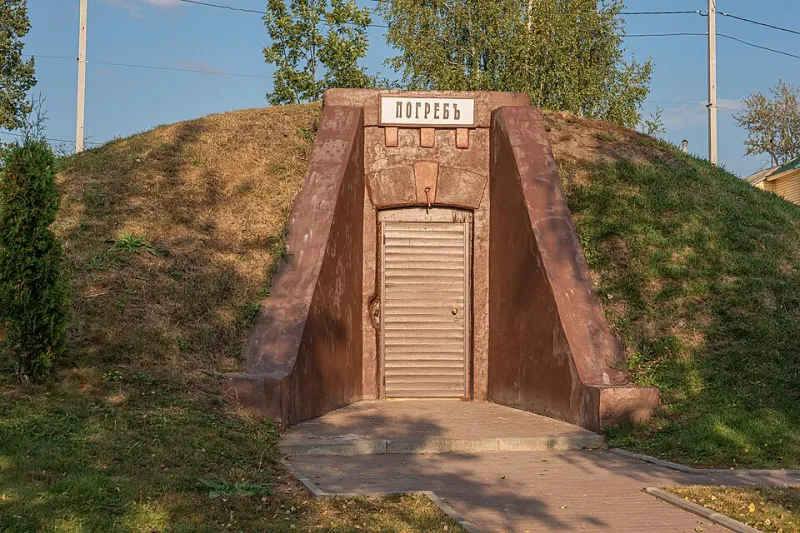
Photo: A.Savin, FAL, via Wikimedia Commons
On a cold November morning in 2026, a lot of Americans are staring at the same problem: a counter full of carrots, beets, cabbage, and squash that seemed like a great idea at the farmers market. The refrigerator is already full. The crisper drawer is a traffic jam. And the idea of buying another appliance to keep vegetables alive feels both expensive and a little absurd.
That is where the old idea of root cellaring comes back in. Not the romantic version with a stone arch and a dirt floor, necessarily. The useful version: a cool, dark, humid-enough place where the right vegetables can rest for weeks or months instead of turning soft on the counter.
Why Low-Tech Storage Is Having a Moment
The revival is not nostalgia for its own sake. It is practical. Grocery prices have made food waste feel less like an inconvenience and more like a budget leak. CSA shares and farm subscriptions keep growing, and a share does not pause just because your refrigerator is small. Energy costs have made a second fridge less appealing. And there is a quiet satisfaction in pulling a firm carrot out of a box of sand in January when the ground outside is frozen.
Root cellaring also fits the way more people are eating: seasonally, in batches, with a plan. If you are already buying fall vegetables by the bag or the bushel, storage is the difference between a good deal and a slow decline.
The Science Is Simple: Cold, Dark, and the Right Humidity
Vegetables are still alive after harvest. They respire, lose moisture, and respond to temperature and ethylene gas. Storage is about slowing that down without freezing the tissue or encouraging rot.
There are three basic storage zones:
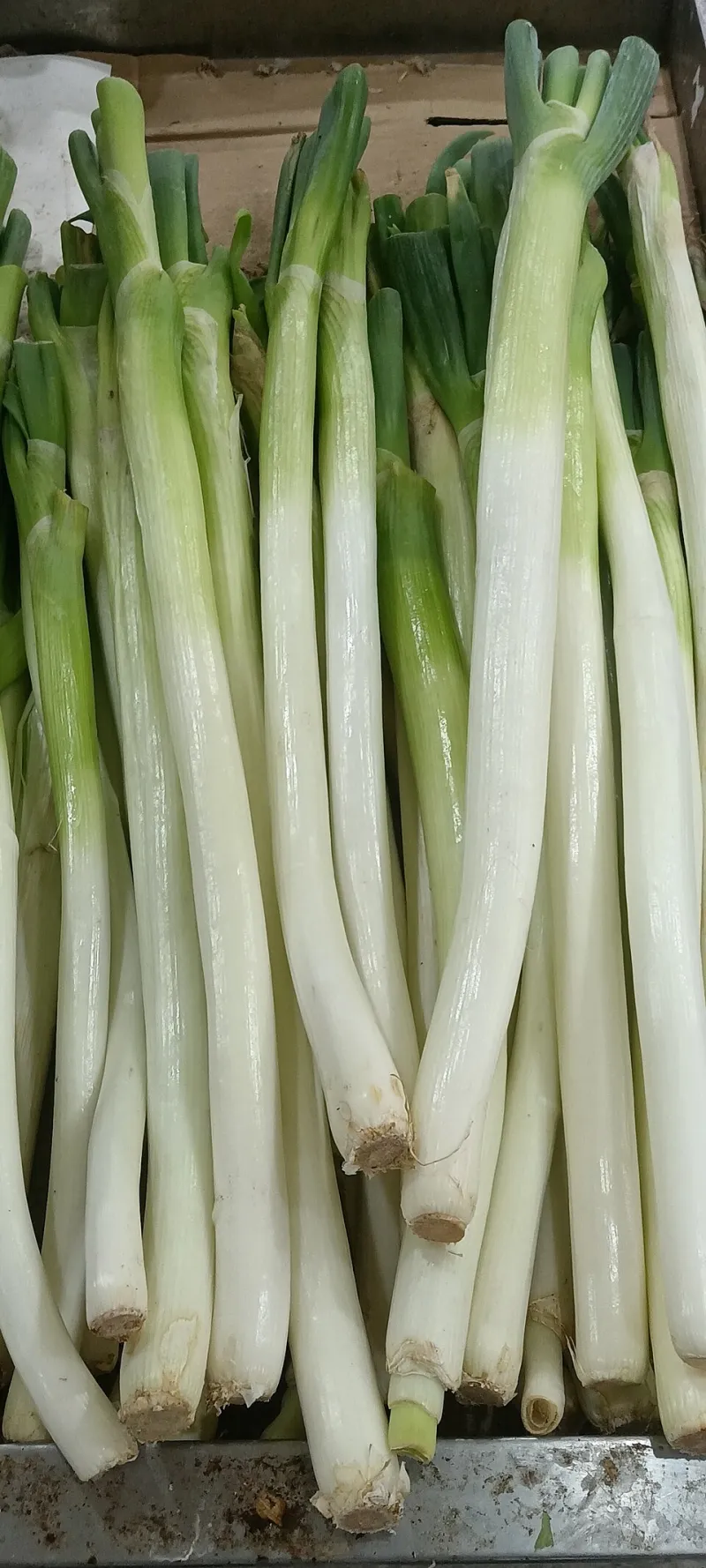
- Cold and moist: about 32 to 40 degrees Fahrenheit with high humidity. This suits carrots, beets, parsnips, turnips, rutabagas, cabbage, celery, leeks, and winter radishes.
- Cold and dry: about 32 to 40 degrees Fahrenheit with lower humidity. This suits onions, garlic, and shallots after they have been cured.
- Cool and dry: about 50 to 55 degrees Fahrenheit with moderate humidity. This suits winter squash, pumpkins, and sweet potatoes after curing.
Potatoes are their own case: dark, about 40 to 45 degrees Fahrenheit, and humid, but not wet. Keep them away from onions. Onions and potatoes each release compounds that make the other sprout or soften faster. Apples and pears release ethylene, which can make potatoes sprout and leafy greens yellow, so give them their own space.
Curing matters for some crops. Winter squash and sweet potatoes need a warm, humid week or two to toughen their skins before storage. Onions and garlic need to dry until the necks are papery. If you skip curing, you are storing a vegetable that is not ready to be stored.
Three Setups That Fit Real Life
The Apartment Cool Closet
If you have an exterior-wall closet that stays cool but does not freeze, you have the beginnings of a root cellar. Add a digital thermometer, a wire shelf for air movement, and a plastic tote for root crops. Keep the door cracked when the room is cool and dry. In a small apartment, the refrigerator crisper is still your best tool for a week or two of carrots; the closet is for the overflow and the longer haul.
The Renter's Sand Box
A clean plastic tote filled with lightly damp sand can hold carrots, beets, and turnips for weeks. The sand keeps moisture in and light out. You do not need a basement. A cool corner of a garage, a mudroom, or an unheated porch can work if temperatures stay above freezing and below about 45 degrees Fahrenheit. Check with a thermometer before you trust it with a month of vegetables.
The Homeowner's Basement Corner
A basement corner near the foundation wall is the classic setup. You want a space that stays cold but does not freeze, with some ventilation. A simple box insulated with rigid foam and a thermometer can be enough. In colder climates, a vent to the outside with a damper lets you pull in cold air on mild days and close it when the temperature drops. In warmer regions, a basement may be too warm; that is when a small refrigerator or a dedicated cooler becomes the more honest choice.
The Sand-Box Method, Step by Step
Start with clean, disease-free roots. Do not wash them if you are storing them; brush off loose soil and leave the tops trimmed to about half an inch. Use clean sand that is damp enough to hold its shape when squeezed, but not dripping. Put an inch of sand in the bottom of a tote, nestle the roots in so they are not touching, and cover them with sand. Add layers until the tote is full, then store it in a cool, dark spot. Check monthly. Remove any root that softens or molds before it affects the rest.
Regional Adaptations Matter
A root cellar in Maine is not the same as a root cellar in Arizona. In the Northeast and Upper Midwest, basement corners and insulated boxes work well because the air is cold and the ground stays cool. In the South, garages and porches often run too warm; a refrigerator or a small cooler with frozen water bottles is more reliable. In the Pacific Northwest, humidity is usually abundant, so airflow matters more than adding moisture. In the dry Southwest, you may need to add damp sand or a humidifier to keep roots from shriveling.
The point is not to replicate a 19th-century farm. It is to find the coolest, most stable spot you actually have and match the crop to the conditions.
Start Small, Start Now
You do not need to store a winter's worth of food in your first year. Pick one crop you already buy in quantity — carrots, beets, or cabbage are good starts — and give it a fair test. Keep notes on temperature and how long things last. The cool closet is not a museum piece. It is a tool, and like any tool, it gets better with practice.