The Thin Margin: What It Really Takes to Keep a Small Farm Alive in America Today
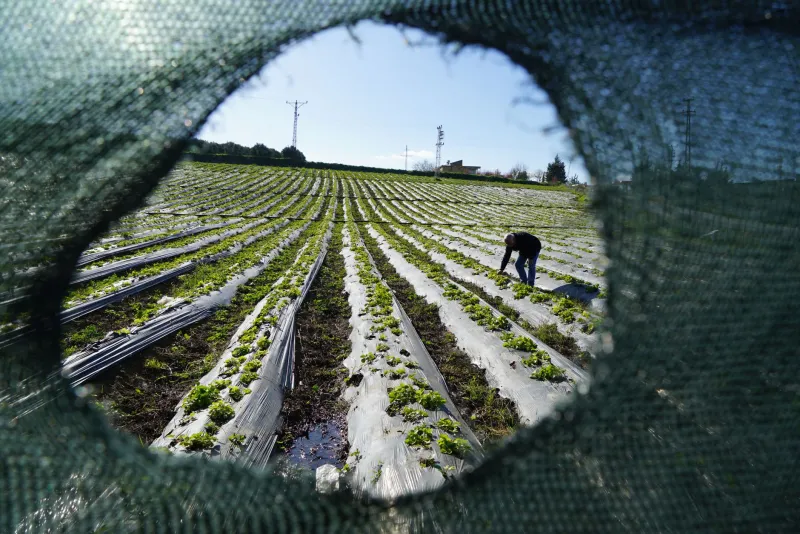
There's a version of small farming that exists in the American imagination — the capable family, the productive land, the honest living built from hard work and good soil. That image isn't entirely fiction. But it coexists with a financial reality that's genuinely brutal, and most consumers have no idea how close their favorite local farm might be to calling it quits.
This isn't a story about pessimism. It's a story about math, and about what it actually takes to sustain a small vegetable operation in the current American agricultural environment. Because if you care about where your food comes from, understanding the economics behind it is one of the most important things you can do.
The Land Problem Nobody Wants to Talk About
Land is the foundation of farming, and right now, land costs in most of the country are punishing for anyone trying to start or sustain a small operation. Farmland values have increased dramatically over the past decade, driven by a combination of investor speculation, suburban sprawl, and competition from larger agricultural operations with access to capital that small farms simply don't have.
In states like California, New York, and the Pacific Northwest — regions with strong local food cultures and high demand for farm-fresh produce — agricultural land can run anywhere from $10,000 to over $100,000 per acre. Even in more affordable Midwest and Southern markets, values have climbed steeply.
For farmers who already own their land, rising values create a different kind of pressure: property taxes that climb alongside assessed values, making it harder to stay put even when the farm itself is productive.
"My grandfather bought this land for almost nothing," says Tom Beaumont, who runs a 60-acre vegetable farm in central Virginia. "I inherited it, which is the only reason I'm still here. If I had to buy this land today at what it's worth, there's no version of this farm that pencils out."
Labor: The Quiet Crisis
Ask almost any small vegetable farmer what keeps them up at night, and labor comes up immediately. Growing vegetables is physically demanding, seasonally variable, and — at the wages most small farms can afford to pay — increasingly hard to staff.
The H-2A visa program, which allows farms to hire temporary agricultural workers from abroad, is an option many operations rely on, but it comes with its own costs: fees, housing requirements, and administrative burdens that can be prohibitive for smaller farms. Domestic farm labor markets have tightened significantly, and competition with other industries offering better pay and conditions makes recruiting and retaining workers genuinely difficult.
"I spent more hours dealing with labor logistics last year than I did actually farming," says Priya Anand, who operates a diversified vegetable farm outside Knoxville, Tennessee. "And I still ended up short-handed during peak harvest. We lost product because we didn't have enough hands."
Lost product is lost revenue. On thin margins, a single bad harvest week can reshape the economics of an entire season.
Climate Volatility and the New Normal
Farmers have always dealt with weather. That's not new. What is new is the degree of unpredictability that's become the baseline in American agriculture over the past decade.
Late frosts that arrive after transplants are in the ground. Drought conditions that stretch through what used to be reliable rainy seasons. Flooding events that compact soil and destroy crops in regions that rarely saw that kind of rainfall before. Heat waves that accelerate bolting in leafy greens and reduce the quality of crops that need cool nights to develop properly.
Crop insurance exists, but its coverage often doesn't reflect the actual losses small diversified farms experience. Policies designed for commodity monocultures don't map cleanly onto a 50-acre operation growing 30 different vegetables for direct-market customers.
"We had a late May frost two years ago that wiped out almost everything we'd transplanted," says Marcus Webb, a farmer in central Michigan. "The insurance covered some of it. But the real cost was the customer trust we had to rebuild when we couldn't fill our CSA boxes for three weeks. That's not something you can put a dollar figure on."
The Squeeze from Both Ends
Here's the structural problem that makes all of this especially difficult: small vegetable farms exist in a market that's being compressed from two very different directions.
On one side, large industrial producers can grow and sell vegetables at prices that small farms simply cannot match. Economies of scale, mechanization, and access to cheap inputs allow commodity operations to undercut local farms on price with ease. Consumers who are primarily price-driven will often choose the cheaper option, even when a local alternative exists.
On the other side, a growing hobbyist farming culture — backyard growers, small urban operations, weekend farmers — has created a perception that farming is an accessible lifestyle choice rather than a professional livelihood. That perception can make it harder for mid-sized working farms to communicate their real costs and justify their pricing.
The farms that are most at risk are often the ones doing the most important work: operations large enough to supply meaningful volumes to their communities, but small enough to still prioritize quality, relationships, and sustainable practices over sheer output.
What Consumers Can Actually Do
This is where the story gets more hopeful, because consumer behavior genuinely matters here.
Buying a CSA subscription isn't just convenient — it's a financial lifeline. Upfront subscription payments give farms working capital before the season starts, reducing reliance on loans and smoothing out the cash flow crunch that hits hardest in early spring.
Showing up consistently matters too. Farmers market vendors depend on regular customers who come back week after week, not just when the weather is nice or the Instagram aesthetic is particularly good. That predictable revenue stream is more valuable than it might seem.
Asking questions about pricing and being willing to pay what good produce actually costs is perhaps the most direct thing a consumer can do. The gap between what vegetables cost to grow well and what shoppers have been conditioned to pay by industrial food systems is real, and bridging it requires both sides to meet in the middle.
The Stakes
At TSL Vegetables, we talk a lot about the value of fresh, locally grown produce — the flavor, the nutrition, the farm relationships that make eating feel meaningful. But none of that exists without the farms themselves. And farms don't survive on passion alone.
The small growers who supply your CSA boxes, your farmers market tables, and your local restaurant kitchens are operating in a genuinely difficult environment. Understanding that reality — and making purchasing decisions that reflect it — is one of the most concrete ways that caring about food can translate into actually sustaining the food system you want to exist.
The math is hard. But it's not impossible. And the farms that make it are almost always the ones with a community behind them.