Turn Tonight's Scraps Into Next Month's Salad: 9 Vegetables That Regrow Themselves
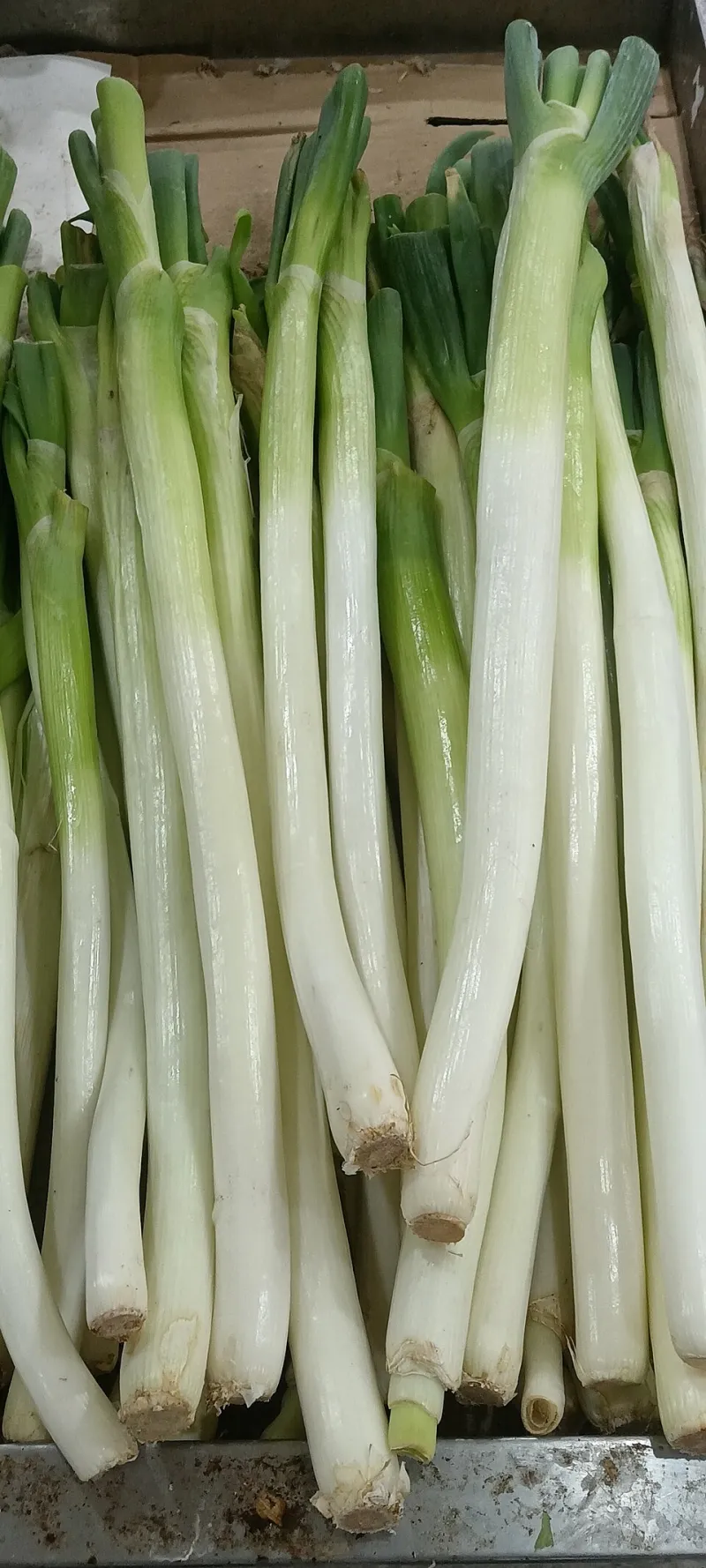
Photo: Fumikas Sagisavas, CC0, via Wikimedia Commons
Regrowing vegetables from kitchen scraps has a bit of an online hype problem. Scroll social media and you'll see endless videos implying you can turn a celery butt into an infinite salad machine. Reality is messier — some scraps genuinely produce food, others produce a cool-looking plant and not much else.
We've sorted the winners from the window dressing. Here are nine vegetables you can regrow, ranked honestly by what you'll actually get.
The Real Producers (Actual Harvests)
1. Green Onions
The undisputed champion. Save the white root ends (about two inches), place them root-down in a glass with an inch of water, and set them on a sunny sill. Change the water every couple of days.
Timeline: Visible regrowth in 3–5 days; a usable snip in about two weeks. They'll regrow two or three times in water before weakening — transplant to a pot of soil for a longer-lived supply. This is the one scrap that genuinely pays off.
2. Romaine Lettuce
Keep the base stub (about two inches), set it in a half-inch of water, and refresh the water daily. New leaves emerge from the center within a week.
Timeline: You can harvest a few fresh leaves in 2–3 weeks. A full head is a stretch indoors, but repeated leaf harvests from one stub is realistic. Transplant to soil after a week or two for best results.
3. Celery
The famous internet celery. It does regrow — the center pushes up pale new stalks from the base sitting in a shallow dish of water.
Timeline: Small leaves in 1–2 weeks; a modest partial harvest in 6–8 weeks. Be honest with yourself: you'll get a garnish-worthy handful, not a whole bunch. Transplant to soil once roots show.
4. Leafy Herbs — Basil and Cilantro
Technically an herb, but grocery basil deserves a spot. Take a 4-inch stem, strip the lower leaves, and root it in water. Timeline: Roots in 1–2 weeks; once potted, a basil plant can produce for months. Cilantro roots with some stem attached will sometimes sprout new growth, though it bolts quickly. Basil is the reliable one.
The Fun Experiments (Cool Plants, Modest Food)
5. Garlic
A sprouted clove isn't trash — plant it pointy-side up in soil, an inch deep. You'll get green garlic shoots in a few weeks (use them like chives), and if you're patient, a small bulb in 8–9 months. Great for gardeners, slow for impatient ones.
6. Potatoes
Cut an eye-heavy chunk, let it dry for a day, and plant it in a deep container of soil. Timeline: New potatoes in 2–4 months. Grocery store spuds are often treated to resist sprouting, so results vary — but when it works, it really works.
7. Ginger
Plant a knobby piece with a visible bud, just under the soil surface, in a warm spot. Timeline: Shoots in a few weeks; harvestable rhizome in 8–10 months. Worth it if you cook with ginger often.
8. Carrot Tops
Let's be straight: carrot tops regrow feathery greens, not new carrots. The greens are edible — blitz them into pesto or chimichurri — and the regrowth takes about two weeks. Treat this as a science project with a bonus herb, not a carrot farm.
9. Scallion Bulbs and Leeks
Similar to green onions: root the base in water and harvest the regrowth. Leeks are slower and usually only give one or two cuttings before calling it quits.
Setting Realistic Expectations
Three honest caveats before you start:
- Water regrowth is a nursery, not a farm. Roots in water run out of nutrients. Anything you want to keep should move to soil within a week or two.
- Yields are small. Scrap regrowing supplements your kitchen; it doesn't replace the grocery store. Green onions are the exception.
- Light matters. A sunny south-facing window is the difference between thriving plants and leggy disappointment. A cheap grow light fixes this if your apartment is cave-like.
Why This Fits the Zero-Waste Kitchen
Regrowing scraps won't single-handedly fix food waste — Americans toss roughly a third of their food, and most of that is never coming back as a plant. But as habits go, it's a good gateway drug. Once you're looking at a celery butt as a resource instead of garbage, you start looking at the rest of your kitchen the same way: wilting greens become stock, overripe bananas become bread, stems become pesto.
Start this weekend with green onions. They cost about a dollar, regrow in days, and give you a small, satisfying taste of what growing your own food feels like — no garden, no gear, no excuses.