Five Dinners, One Box: Weeknight Templates That Survive Whatever Shows Up

Photo: NASA/KSC, Public domain, via Wikimedia Commons
The farm box arrives on a Thursday. By Monday you've eaten the lettuce, ignored the radishes, and started eyeing the takeout app.
That midweek slide isn't a willpower problem. It's a planning problem. Recipes are rigid; boxes are not. What actually works is a small set of flexible structures you can pour any vegetable into — templates rather than instructions.
Here are five, plus the prep routine that makes them fast.
Rule Zero: Unpack Like You Mean It
Before anything goes in the fridge, spend fifteen minutes with the box. Wash and dry the greens. Cut the tops off root vegetables and store them separately — the greens pull moisture out of the roots and shorten their life. Wrap leafy things in a damp towel. Keep the onions, potatoes, and winter squash out of the cold entirely.
Then ask one question: what's going to go soft first? That's dinner. Everything else can wait its turn. Half the battle is not letting the most perishable item become a science experiment on Sunday.
Template 1: The Grain Bowl
The structure: a grain, a hot vegetable, a raw vegetable, a protein if you want one, and a sauce that ties it together.
The grain is whatever you cooked in bulk — rice, farro, quinoa, barley. The hot vegetable is roasted, seared, or sautéed, seasoned simply. The raw element is crunch: shredded cabbage, sliced radish, grated carrot, herbs, a handful of something pickled. The sauce is the difference between "healthy dinner" and "dinner you want again": tahini and lemon, yogurt and garlic, miso and vinegar, peanut and lime.
Roast a tray of any root vegetable with olive oil, salt, and cumin. Pile it on grains with something raw and something creamy, and nobody asks where the recipe went.
Template 2: The Sheet Pan
The structure: one pan, roughly same size pieces, high heat, a fat, a flavor, a finish.
Cut everything to similar thickness so things finish together — dense roots in smaller chunks, softer vegetables in larger ones. Toss with oil and salt, spread in a single layer with space between pieces, and roast at 425°F until the edges darken. Finish with acid: lemon, vinegar, a spoonful of yogurt, a shower of herbs.
The trick with a farm box is grouping by density. Start carrots and potatoes first; add cauliflower, broccoli, or fennel halfway through; toss in delicate greens or cherry tomatoes for the last five minutes. One pan, three waves.
Template 3: The Stir-Fry
The structure: hard vegetables first, soft vegetables later, aromatics in the middle, sauce at the end, everything fast.
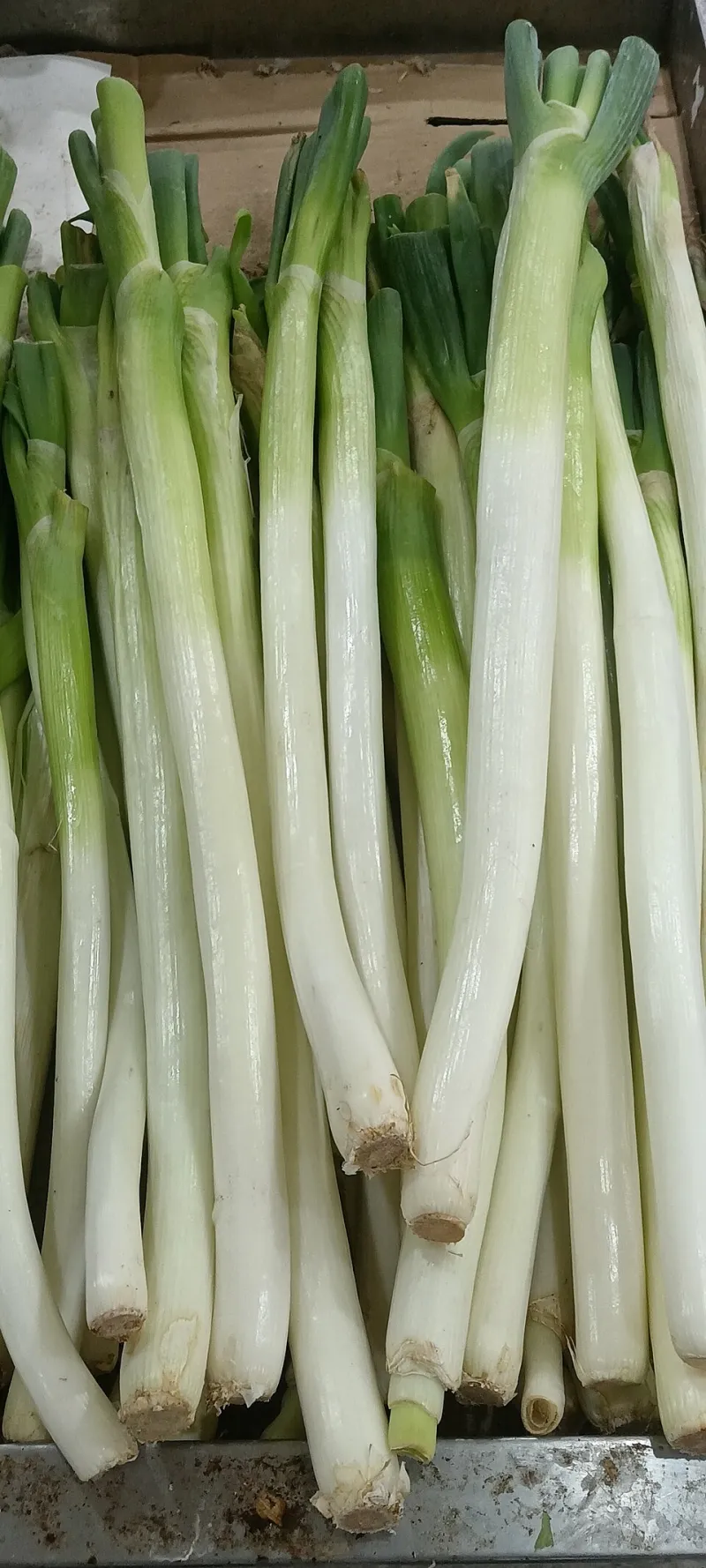
Get the pan seriously hot and don't crowd it — a crowded pan steams, and steamed isn't the goal. Stir-frying is the fastest way to use up a handful of peppers, a few scallions, half a cabbage, and whatever greens are wilting.
Keep a stir-fry sauce on hand: soy sauce, a little sugar, vinegar, cornstarch, water. Stir it in at the end and let it thicken for thirty seconds. Serve over rice, noodles, or even on a baked potato.
Template 4: The Soup
The structure: an aromatic base, a bulk vegetable, a liquid, a seasoning, and a texture at the top.
Sweat onions or leeks in butter or oil, add the vegetable that's most abundant — squash, cauliflower, potatoes, greens — cover with stock or water, simmer until soft, and blend or don't. Season aggressively. Finish with something crunchy: toasted bread, seeds, a swirl of oil.
The farm box advantage here is that soup is forgiving. Three kinds of aging greens, a sad carrot, and the last of the celery all become something better than they were. The only rule is to taste before you serve.
Template 5: The Savory Toast
The structure: good bread, a spread, a vegetable, a topping, an acid.
This is the template that saves the night you genuinely can't cook. Toast thick slices of bread. Spread with ricotta, hummus, mashed beans, or butter. Pile on something cooked — mushrooms, peppers, greens wilted in a pan — or something shaved raw. Add a fried egg if you're hungry. Squeeze lemon over the top.
Savory toast is not a lesser dinner. It's a plate of good components arranged on bread, which is most of what a good dinner is anyway.
The Pantry Five That Make All of This Work
Keep these five things in stock and every template above becomes possible on a Tuesday:
- A cooked grain in the fridge, made in a big batch on Sunday.
- Good olive oil and a sharp vinegar — the twin engines of finishing.
- Tahini or a tub of plain yogurt for instant creaminess.
- A jar of something acidic: pickles, capers, hot sauce, lemons.
- Toasted seeds or nuts for the crunch that makes a bowl feel finished.
Stretching One Box Across Five Dinners
| Night | Template | How it uses the box |
|---|---|---|
| Monday | Grain bowl | Roasted roots plus shredded raw cabbage |
| Tuesday | Sheet pan | Three-wave roast, whatever is densest |
| Wednesday | Stir-fry | Peppers, scallions, wilting greens |
| Thursday | Soup | The aging greens and the last carrot |
| Friday | Savory toast | Shaved raw vegetables and herbs |
Notice what's shared: the grain cooked once, the sauce made once, the roasted tray from Tuesday doing double duty on Monday. Batch the components and the individual dinners take twenty minutes.
The Takeout Escape Hatch
Some nights the box wins and some nights the app wins, and that's fine. But when you have a cooked grain, a jar of dressing, and one thing that's already roasted, the decision usually tips toward the kitchen — and the produce goes on your plate instead of into the bin.