Harvest, Pack, Sell, Best: The Four Dates on Your Vegetables and What Each One Actually Means
Photo: Basile Morin, CC BY-SA 4.0, via Wikimedia Commons
There's a bag of spring mix in your fridge with a date on it, and you've been treating that date like a red line. Most of us do. But the dates printed on produce packaging are business documents, not chemistry. They describe a company's estimate of peak quality, or a store's rotation schedule, or the day something left a field—and almost none of them are regulated in the way shoppers assume.
Here's the decoder ring.
Four Dates, Four Completely Different Jobs
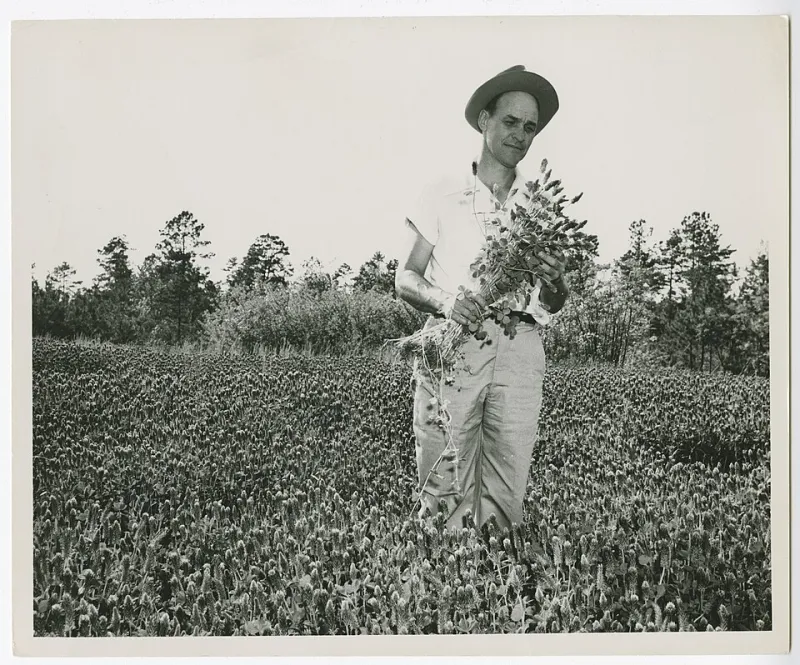
Harvest date is the day the crop was picked. It's the most useful and the least standardized. Some small farms print it on a label; many don't mention it at all. It tells you how old the vegetable actually is, which is the thing you most want to know.
Pack date is when the item was washed, sorted, and sealed. On packaged greens or pre-cut vegetables, this is often what the sell-by date is calculated from. It can be days after harvest—sometimes not.
Sell-by or pull date is directed at the retailer. It's the store's cue to rotate the item off the shelf, not a signal that the food goes bad at midnight. In most US states, sell-by dates are set for inventory management.
Best-by or best-if-used-by is a quality estimate from the seller or manufacturer: the window in which the product should be at its best flavor and texture. It's about peak, not safety.
Use-by, which shows up more on dairy and prepared foods than on whole vegetables, is the closest thing to a safety statement—and even then it's usually a conservative one.
The Regulatory Part Nobody Mentions
With the exception of infant formula, the federal government does not require date labels on food. There's no national standard for what 'best by' means or how it's calculated, and state rules vary widely. That means the date on your bag of carrots was set by a company making a judgment call, often a cautious one. It's a helpful hint that has been invested with a lot more authority than it earned.
The 48-Hour Rule Is a Habit, Not a Law
Plenty of shoppers operate on a version of this: once the date passes, toss it. Once it's two days past, definitely toss it. But freshness is a curve, not a cliff. A head of cabbage a week past its best-by date is often excellent. A bag of cut salad greens three days before its date can already be slimy if it sat in a warm truck.
The date can't see what happened between the field and your crisper drawer. You can.
Reading Past the Sticker: What Your Senses Already Know
Leafy greens should be crisp and dry. Limp leaves with yellow edges are declining; slime at the bottom of the bag means it's done. A little wilting is recoverable in ice water.
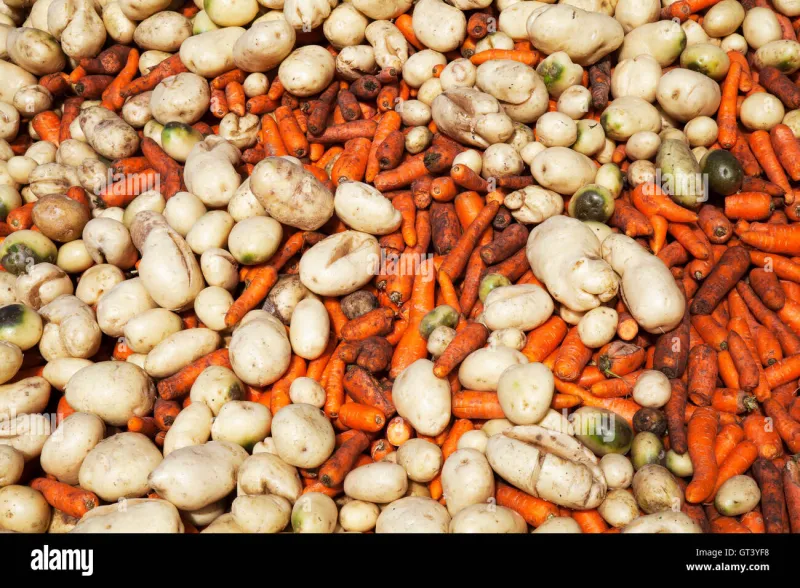
Root vegetables should feel firm and heavy for their size. Bendy carrots have lost moisture, not safety—they're fine in a stew, less fine raw.
Tomatoes give slightly at the shoulder and smell like tomato. Aroma is a better gauge than color, since plenty of supermarket tomatoes are picked green and ripened off the vine.
Broccoli and cauliflower should have tight, unyellowed florets and a firm stalk. Yellowing is age, not spoilage.
Corn is the exception where speed is real. Sweet corn starts converting its sugars to starch within hours of picking, so a two-day-old ear isn't unsafe—it's just not the corn it used to be.
Mushrooms should be dry and firm. A little darkening is cosmetic; a slimy cap is not.
Storage That Buys Back Days
This is where the real gains are. A vegetable stored correctly can outlast its printed date by a week or more.
Dry your greens before storing them. Moisture is the enemy. Wash, spin or pat thoroughly dry, then store in a container with a dry paper towel or a clean cloth. Replace the towel when it's damp.
Cut the tops off carrots, beets, and radishes. The greens keep drawing moisture from the root. Store roots in a sealed container in the coldest part of the fridge.
Keep tomatoes and stone fruit out of the refrigerator. Cold dulls their flavor and turns their texture mealy. Refrigerate only once they're cut.
Bag your herbs like flowers. Stems in a glass of water, loosely covered, will hold parsley and cilantro for a week or more.
Separate the ethylene producers. Apples, bananas, and ripe avocados speed up the decline of anything green nearby. Keep them away from your broccoli and leafy greens.
Give onions and potatoes air and distance. Both want cool, dark, ventilated storage—and they shouldn't be stored together, since onions make potatoes sprout faster.
Freeze what you can't finish. Blanched green beans, peppers, and corn freeze beautifully and don't care about a sell-by date at all.
What to Do With All This
Start with the harvest date if it's printed, and treat the best-by stamp as a rough estimate rather than an alarm. Then use your hands and nose, because they're reading the actual vegetable and the sticker isn't.
And if you want a project this week, do a fridge audit. Pull everything out, sort by what's oldest, and plan two dinners around the items closest to the edge. It's the least glamorous sustainability habit there is, and it saves more produce than any label ever will.