Your Local Farm's Invisible Ingredient: What Soil Microbes Do for Your Health
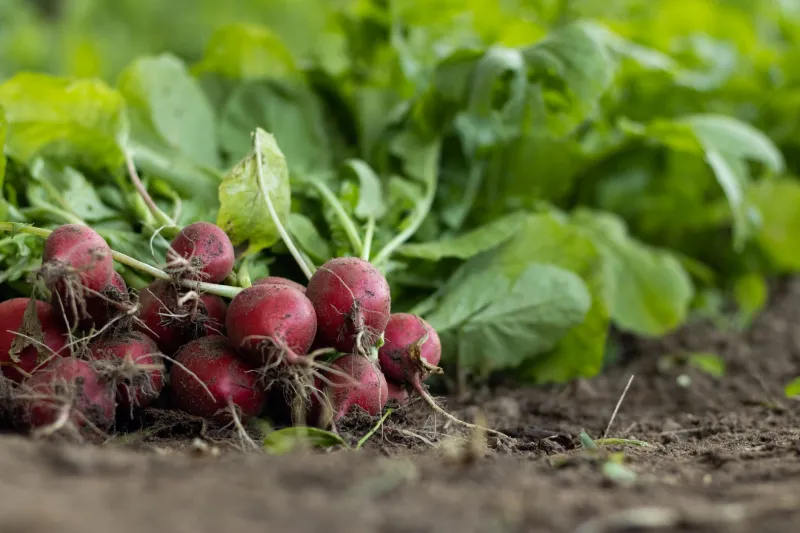
Let's talk about dirt. Not as a problem to wash off your carrots, but as one of the most complex living ecosystems on Earth — one that might be quietly influencing your gut health in ways researchers are only beginning to map out.
This isn't pseudoscience or farmer's market romanticism. There's a growing body of peer-reviewed research examining how the microbial communities in soil connect to the microbial communities in your gut, and what happens to that relationship when vegetables travel hundreds or thousands of miles before they reach your plate. The short version: proximity may matter more than we thought, and the science behind it is genuinely interesting.
The Living World Beneath Your Feet
Healthy agricultural soil is teeming with life. A single teaspoon of rich farmland can contain anywhere from 100 million to 1 billion bacteria, along with fungi, protozoa, nematodes, and a web of other microorganisms. These aren't passive passengers — they're actively involved in nutrient cycling, plant immunity, and the chemical processes that determine how nutritious a vegetable ultimately becomes.
Researchers at institutions including the University of California and the Rodale Institute have been studying what's called the "soil microbiome," and their findings suggest it functions almost like an immune system for the farm itself. Plants grown in microbiologically diverse soil tend to be more resilient, better nourished, and — this is the part that gets interesting — potentially carrying a different microbial fingerprint than plants grown in depleted or heavily treated soils.
"We're learning that the relationship between soil biology and plant health is much more intimate than classical agronomy recognized," says Dr. Elaine Ingham, a soil biologist whose work on the soil food web has influenced sustainable farming practices across the US. Plants don't just extract nutrients from soil — they actively recruit microbial communities through root secretions, a process called rhizosphere signaling. The result is a plant that reflects, in part, the biological richness of the ground it grew in.
What Happens When Produce Hits the Road
Now factor in distance. The average vegetable in an American supermarket travels approximately 1,500 miles from farm to store. During that journey, it's typically refrigerated, gassed with ethylene inhibitors or modified atmosphere packaging, and handled multiple times. All of this is designed to preserve visual freshness — but what about microbial vitality?
Research published in journals like Frontiers in Microbiology and PLOS ONE has begun examining how the microbial communities on produce surfaces change during transport and storage. The findings are nuanced but consistent: the longer and more stressful the journey, the more the surface microbiome degrades. Some beneficial bacteria simply don't survive the trip.
This matters because we're increasingly understanding that what we eat isn't just about macronutrients and vitamins — it's also about the microbial exposure that comes with food. The "old friends" hypothesis in immunology suggests that human immune systems evolved alongside a rich microbial environment, and that reduced exposure to diverse microbes — including those that arrive via fresh food — may have downstream effects on immune regulation and gut diversity.
The Gut Connection
Your gut microbiome — the roughly 38 trillion microorganisms living in your digestive system — is now recognized as a major player in overall health, influencing everything from immune function to mood regulation to metabolic efficiency. Research from the Human Microbiome Project and subsequent studies has made clear that dietary diversity is one of the strongest predictors of gut microbial diversity.
Vegetables are a key part of that picture, both for the fiber they provide (which feeds beneficial gut bacteria) and potentially for the microbes they carry. A 2019 study from the University of California, Berkeley found that organically managed soils harbored significantly more diverse bacterial communities than conventionally managed plots — and that some of that diversity was detectable on the surface of produce grown in those soils.
Does eating locally grown, microbiologically rich vegetables meaningfully boost your gut health? The honest answer is that researchers are still working that out. The mechanisms are plausible and the early data is suggestive, but we're not yet at the point of specific clinical claims. What scientists do agree on is that dietary diversity — including a wide variety of fresh vegetables from varied sources — is consistently associated with better gut microbiome outcomes.
The Freshness Factor Is Real
Setting aside the microbiome angle for a moment, there's a more straightforward nutritional case for local produce. Certain vitamins, particularly vitamin C and folate, begin degrading immediately after harvest. A study from Penn State University found that spinach stored at room temperature for three days lost 47% of its folate content. Even under refrigeration, the degradation continues — just more slowly.
A vegetable harvested yesterday at a farm 40 miles away and sold at a local market today is, nutritionally speaking, a different product than one harvested two weeks ago and shipped across the country. That's not a marketing claim — it's basic biochemistry.
What to Look for When You're Shopping
You don't have to become a soil science expert to put this information to use. A few practical guidelines:
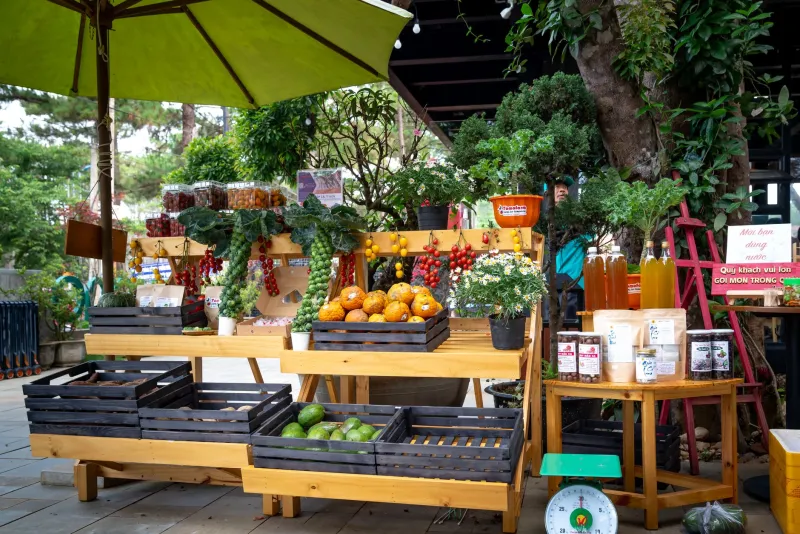
Ask about farming practices. Farms that use cover crops, compost, and minimal tillage tend to have more biologically active soils. These practices are increasingly common among small and mid-size regional farms. When you shop through platforms like TSL Vegetables, look for growers who describe their soil health practices — it's a meaningful signal.
Prioritize seasonal, regional produce. Vegetables that are in season locally haven't had to travel far to reach you, which means they're fresher and more likely to carry intact microbial and nutritional profiles.
Don't skip washing — but think about it differently. Rinsing your vegetables is still important for food safety. But consider that you're washing off surface contaminants, not necessarily stripping all beneficial microbial exposure — especially if you're eating raw vegetables where some surface contact is inevitable.
Diversity matters most. Whether your vegetables come from a local farm or a regional distributor, eating a wide variety of produce remains the single most well-supported dietary strategy for gut microbiome health.
The Bigger Picture
The science of soil-to-stomach microbial health is still young, and there's a lot we don't yet fully understand. But the directional evidence points somewhere meaningful: the living world in the soil where your food grows may have a relationship with the living world in your gut, and the journey between those two ecosystems matters.
That's a compelling argument for paying attention to where your vegetables come from — not just for flavor or environmental reasons, but potentially for your own biology. The farm down the road might be doing more for your health than you realized.